In a significant policy shift, Zimbabwe has announced extending its multi-currency system, with the U.S. dollar as the anchor, until 2030. This decision, which deviates from the previous plan to phase out the multi-currency system by 2025, has implications for the country’s banking sector and its overall economic outlook.
A New Timeline
The government’s earlier indication of phasing out the multi-currency system by 2025 had created uncertainty in the banking sector. Some banks had been hesitant to approve loans beyond this date. However, a recent government gazette, issued by President Emmerson Mnangagwa, revoked the 2019 order that had set the 2025 deadline.
Validity Until 2030
The gazette now specifies that “Settlement of any transaction or payment for goods and services in foreign currency shall … be valid until the 31st December 2030.” This extension provides a longer-term perspective on the use of foreign currencies in the country.
Diminishing Confidence in the Local Currency
Economists point out that nearly 80% of local transactions in Zimbabwe are conducted in U.S. dollars due to diminishing confidence in the Zimbabwean dollar. The local currency has struggled with depreciation and fluctuations, leading to a preference for the stability of the U.S. dollar.
Dominance of the U.S. Dollar
The largest independent asset manager in Zimbabwe had earlier predicted that the U.S. dollar would continue to be the dominant currency in the country, even beyond the government’s initial December 2025 deadline to phase it out of the economy. This prediction aligns with the observed behavior in the local financial landscape.
Zimbabwe’s Currency History
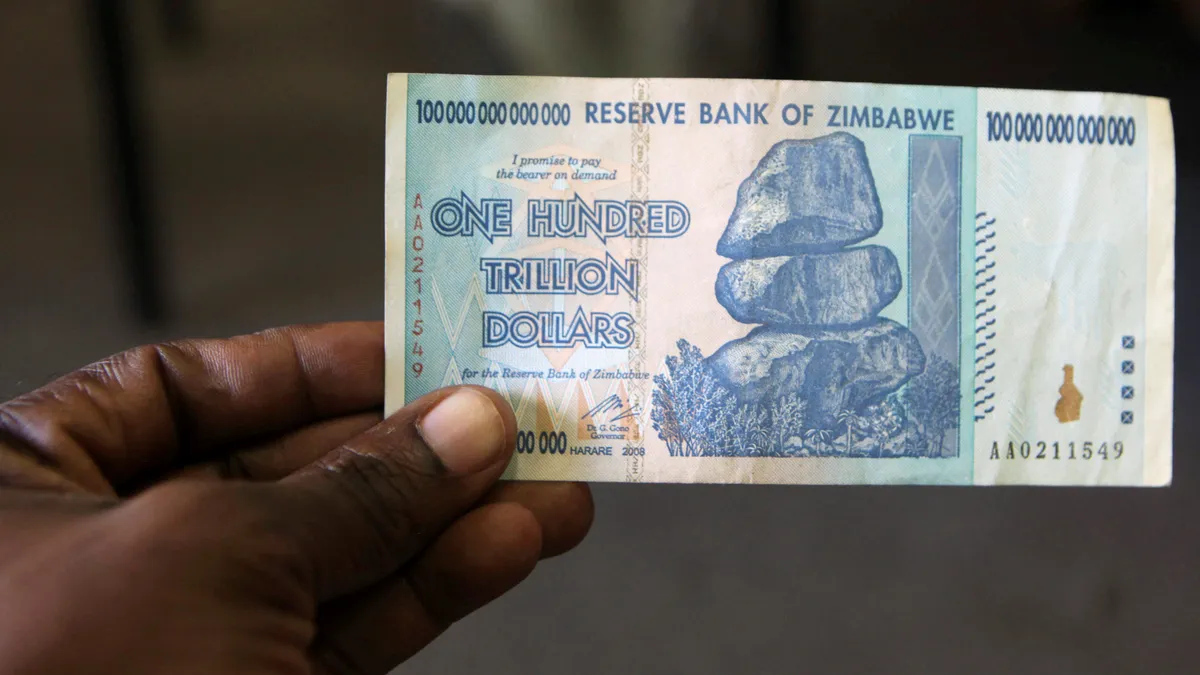
In 2009, Zimbabwe abandoned its inflation-ravaged dollar and adopted foreign currencies, primarily the U.S. dollar, to stabilize the economy. However, the government reintroduced the local currency in 2019, but it quickly depreciated once more, leading to economic challenges.
Economic Challenges and Currency Depreciation
Zimbabwe has faced significant economic challenges, including having the world’s highest interest rate, which had reached an astounding 150%. Although it has since been reduced to 130%, Argentina has taken the top spot. Despite multiple efforts by authorities to boost confidence in the Zimbabwean dollar, it has continued to depreciate by over 80% in the current year, as reported by economists.
A Gold-Backed Digital Currency
As part of its efforts to address currency issues, Zimbabwe recently launched a new gold-backed digital currency. This move aims to counteract re-dollarization and explore innovative solutions to stabilize the economy.
In conclusion, Zimbabwe’s decision to extend the multi-currency system until 2030, with the U.S. dollar as the anchor, reflects the economic realities and the confidence in foreign currencies among the population. It marks a significant shift from the earlier plan and highlights the ongoing challenges in the country’s economic landscape.