By Segun Adeyanju
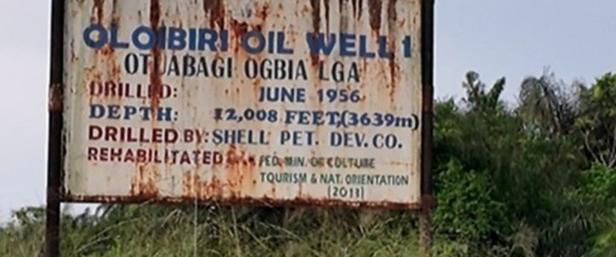
Nearly seven decades after crude oil was first discovered in Oloibiri, Bayelsa State, the historic community is witnessing a quiet but significant transformation, driven not by oil but by solar energy.
Once the cradle of Nigeria’s oil wealth following the 1956 discovery by Shell, Oloibiri had long endured neglect, environmental degradation and years without electricity.
Today, however, a solar-powered mini grid is reshaping livelihoods, powering businesses and offering a glimpse of a new economic future.
The shift began in 2020 when Renewvia Energy Corporation deployed a solar and battery microgrid serving households, schools, churches and small businesses in the community.
The project, supported by Shell’s AllOn and Nigeria’s Rural Electrification Agency under the Nigerian Electrification Project, now provides more reliable and affordable power.
For residents like Asa, a welder who previously relied on a diesel generator, the impact has been immediate. He sold his generator in 2021 and now powers his workshop through solar energy at significantly lower cost. The result, he says, is increased patronage and improved productivity.
“I have more customers now,” he said, noting however that extended power hours would further boost his operations.
Across the community, similar stories abound. Small business owners, including traders and artisans, are expanding operations as the burden of fuel costs and generator maintenance eases.
Provision shop operators now preserve goods more effectively, while welders, dry cleaners and food processors operate with greater efficiency.
Anthonia Deezua, a local trader, described the development as the best phase of her business life, citing uninterrupted refrigeration and increased customer traffic.
Beyond commerce, the availability of stable electricity is also transforming education and skills development. At the Davidson Future AI Lab, young residents are gaining digital skills, including basic artificial intelligence, graphic design and computer literacy, opportunities once unimaginable in the rural Niger Delta.
The facility, supported through a partnership involving Renewvia and Synota, is equipping youths with competencies relevant to the global digital economy, while also fostering local innovation and self reliance.
Healthcare delivery has equally improved. The Oloibiri Health for Life Medical Centre now benefits from consistent electricity supply, ensuring proper storage of vaccines, operation of medical equipment and improved patient care.
Medical experts say reliable power is critical to reducing risks associated with outages, especially in rural health facilities.
Despite the gains, challenges persist. Residents continue to call for extended power supply hours and expansion of the initiative to neighbouring communities still grappling with darkness.
Experts say the Oloibiri model reflects a broader shift in Nigeria’s energy landscape, where decentralized renewable systems are emerging as viable alternatives to the unreliable national grid, which serves less than a quarter of the population effectively.
Backed by funding from the World Bank and the African Development Bank, the Nigerian Electrification Project aims to scale such interventions, targeting hundreds of thousands of households and businesses in off grid communities.
While the scale of Oloibiri’s solar revolution remains modest, its significance is far reaching. In a community that once powered Nigeria’s oil boom but was left behind, renewable energy is now driving economic activity, improving quality of life and redefining the future.
For many residents, the message is clear: the era of oil may be fading, but a new energy story is unfolding, one solar panel at a time.