By Segun Adeyanju
A growing wave of environmental awareness is driving households to convert everyday kitchen waste into nutrient rich garden soil through simple composting methods.
Recent reports show that large amounts of food scraps end up in landfills each year, where they release harmful gases instead of enriching the soil. Experts say composting offers a practical solution by transforming organic waste into valuable material that improves soil health and reduces pollution.
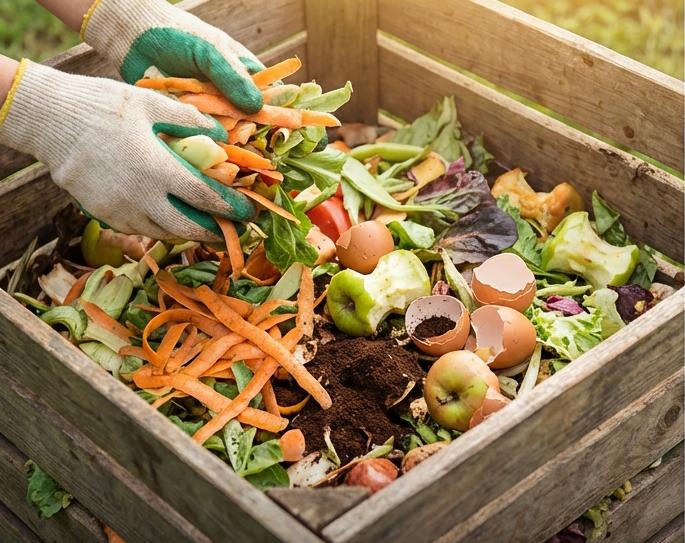
Composting works through natural processes involving microbes and insects that break down items such as fruit peels, vegetable scraps, coffee grounds and eggshells into dark, fertile soil. This organic compost enhances soil structure, boosts water retention and supports plant growth over time.
Specialists emphasise the need for balance, combining nitrogen rich “green” waste with carbon rich “brown” materials like dry leaves and paper. When properly managed, the mixture decomposes efficiently within weeks or months, depending on conditions.
Simple methods such as backyard composting, trench composting and sealed container systems are making the practice accessible even in small spaces. However, experts warn against adding meat, dairy or oily foods, which can attract pests and disrupt the process.
With minimal cost and effort, composting is increasingly seen as a sustainable habit that not only cuts household waste but also produces rich soil capable of improving gardens and supporting food production.