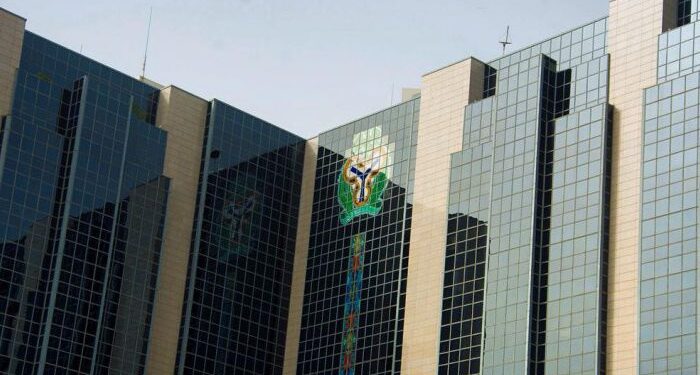
The World Bank projects that Nigeria’s inflation rate will average 22.1% in 2025, attributing this anticipated decline to the Central Bank of Nigeria’s (CBN) sustained tight monetary policies aimed at stabilising prices and anchoring inflation expectations.
This projection was detailed in the World Bank’s latest Nigeria Development Update report, titled “Building Momentum for Inclusive Growth.” The report highlights that, despite recent improvements in GDP growth and fiscal consolidation, inflation remains a pressing challenge. The World Bank identifies several factors contributing to high inflation, including the removal of fuel subsidies, exchange rate unification, rising energy and logistics costs, and disruptions in food supply chains.
The CBN’s monetary tightening measures, such as raising the Monetary Policy Rate to 27.5% by November 2024, are beginning to show signs of slowing inflation momentum. These policies are expected to firmly establish monetary policy credibility and dampen inflationary expectations, leading to the projected average inflation rate of 22.1% in 2025.
ALSO READ: World Bank Flags Rising Poverty in Nigeria, Warns of Limited Progress for Resource-Rich Nations
Additionally, the report notes that Nigeria’s economy grew by 4.6% year-on-year in the fourth quarter of 2024, achieving a full-year growth of 3.4%, the strongest since 2014, excluding post-COVID rebounds. Fiscal consolidation also progressed, with the fiscal deficit narrowing from 5.4% of GDP in 2023 to 3.0% in 2024, supported by a revenue surge from ₦16.8 trillion (7.2% of GDP) to ₦31.9 trillion (11.5% of GDP).
The World Bank emphasises that, with the improvement in the fiscal situation, Nigeria now has a historic opportunity to enhance the quantity and quality of development spending, particularly in human capital, social protection, and infrastructure.