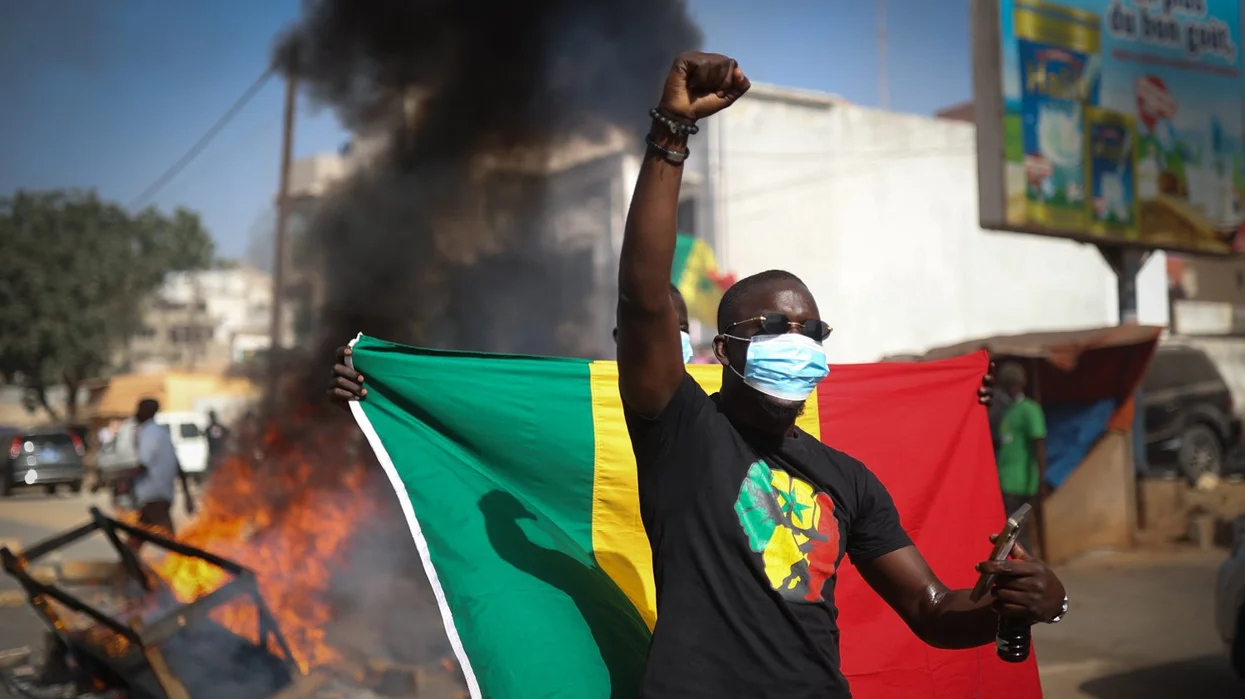
The Senegalese government has opted to shut down the internet following protests over the postponement of the presidential election.
The delay, the first of its kind in Senegal’s history, prompted demonstrations on Sunday, leading to significant disruptions.
Senegal incurred a substantial economic loss of $57.5 million due to 3,946 hours of internet shutdown, affecting 8.01 million people in 2023.
The Ministry of Communication, Telecommunications, and Digital Economy cited the dissemination of “hateful and subversive messages” on social media platforms as the reason for the shutdown, given concerns about threats to public order.
President Sall highlighted a conflict between the judiciary and parliament regarding the disqualification of certain candidates and reported issues with the nationality of eligible candidates.
A proposed bill recommending a delay of up to six months in the presidential election sparked further controversy. If passed, the next likely election date would be in August, four months after Sall’s tenure was initially set to end.
Opposition leaders denounced the postponement as a “constitutional coup,” anticipating additional protests in response.
Senegal has been grappling with political tensions, including clashes between opposition supporters and security forces and the disqualification of opposition leaders.
In June, internet access on mobile phones was disrupted following clashes between supporters of disqualified opposition leader Ousmane Sonko and security forces.
Senegal ranked 9th globally for the most expensive internet shutdowns, with significant financial losses and widespread impact on its population.
Analysts warn that the crisis in Senegal could escalate instability in West Africa, given the region’s challenges with coups and threats to democratic institutions.
Internet shutdowns have become a growing concern in Africa, with Sub-Saharan Africa experiencing significant financial setbacks and disruptions to millions due to internet downtime, often associated with political unrest and protests.