In the last decade, Nigerian researchers have turned local challenges into world-class solutions — and the results are putting the country’s scientists firmly on the global health innovation map.
From cutting-edge viral detection tools to real-time genome sequencing and local vaccine trials, these achievements are tackling deadly diseases with ingenuity born right here in Nigeria.
Below is a look at 10 remarkable advances by Nigerian scientists between 2015 and 2025 that have saved lives, strengthened surveillance, and inspired global respect.
1. Genome Sequencing on the Frontline: Tackling Lassa Fever Fast
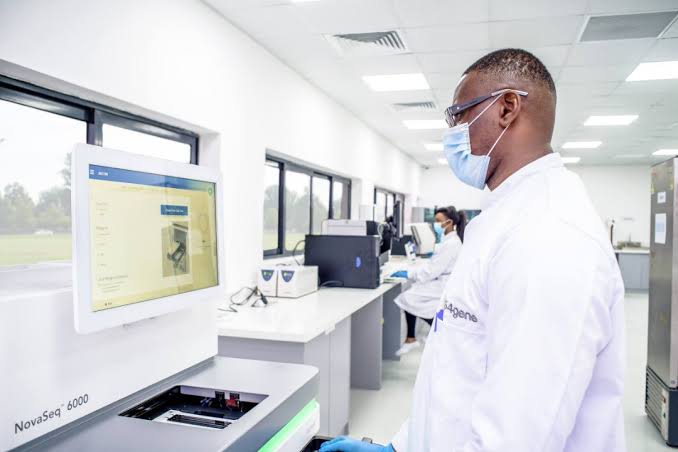
A major turning point came in 2018 when the African Centre of Excellence for Genomics of Infectious Diseases (ACEGID) sequenced the Lassa fever virus genome just days after samples were collected. This game-changing speed gave health teams the ability to track strains and respond to outbreaks in record time.
2. A Pan-Lassa Fever Test that Doesn’t Miss a Strain
Also spurred by the 2018 outbreak, Nigerian researchers launched a rapid test for Lassa fever that accurately detects all known virus strains. With accuracy rates above 90%, this portable test has brought life-saving early detection to remote clinics.
3. 10-Minute Lassa Diagnosis in Remote Communities
Back in 2016, ACEGID’s team unveiled a simple lateral-flow kit that confirms Lassa fever cases in under 10 minutes. Its field-friendly design gave rural health centres a practical way to curb outbreaks before they spread.
4. Breaking New Ground with Africa’s First COVID-19 Genome
In March 2020, as the pandemic unfolded, Nigerian scientists made history by releasing Africa’s first complete genome sequence of the coronavirus. Their contribution proved vital for vaccine research and tracking the virus’s spread across the continent.
5. Uncovering a New Zoonotic Virus: RHDV in West Africa
Virologists in Nigeria added to the region’s biosecurity strength in 2021 by discovering and sequencing the first Rabbit Haemorrhagic Disease Virus (RHDV) strain detected in Sub-Saharan Africa. This milestone boosted research into animal-borne viruses and disease control.
6. Sentinel: An Early-Warning Net for Viral Threats
Also in 2021, Redeemer’s University researchers rolled out *Sentinel* — Nigeria’s first real-time early-warning system for pandemics. By combining rapid diagnostics, mobile data capture, and genomic tracking, Sentinel aims to spot viral threats like Ebola, Lassa, and COVID-19 before they spread unchecked.
7. Pushing Vaccine Frontiers: Nigeria’s First Human Lassa Fever Vaccine Trials
By 2024, Nigeria had launched Phase II trials for a one-dose Lassa fever vaccine at the Federal Medical Centre, Owo, working alongside the International AIDS Vaccine Initiative (IAVI). The results showed strong safety and immune response, edging the country closer to wide-scale vaccination.
8. Using CRISPR for Rapid Rural Diagnostics
In 2019, Nigerian scientists helped pioneer the use of CRISPR-based SHERLOCK and HUDSON tools that can spot viruses like Lassa and Ebola in blood samples in under an hour — all without the need for expensive lab equipment. This leap makes rapid detection possible even in under-served areas.
9. Locally Made COVID-19 Antigen Kits
During the global scramble for pandemic supplies, Nigerian researchers stepped up by developing and producing rapid COVID-19 antigen test kits that met WHO standards. This reduced the country’s reliance on imported tests and boosted national production capacity.
10. Tracking Antibiotic Resistance with Genomics
Since 2022, the CAMRA project has empowered local scientists to monitor antimicrobial resistance by sequencing bacterial genes in real time. This work is crucial for hospitals to spot resistant infections early and develop smarter treatment strategies.
Nigeria’s Next Decade: More Homegrown Solutions Ahead
These ten innovations prove that Nigeria’s scientists are not waiting for solutions to come from abroad — they’re designing them, testing them, and scaling them here at home.
As new diseases emerge and old ones evolve, expect Nigerian research centres to keep pushing Africa’s role in global health forward.