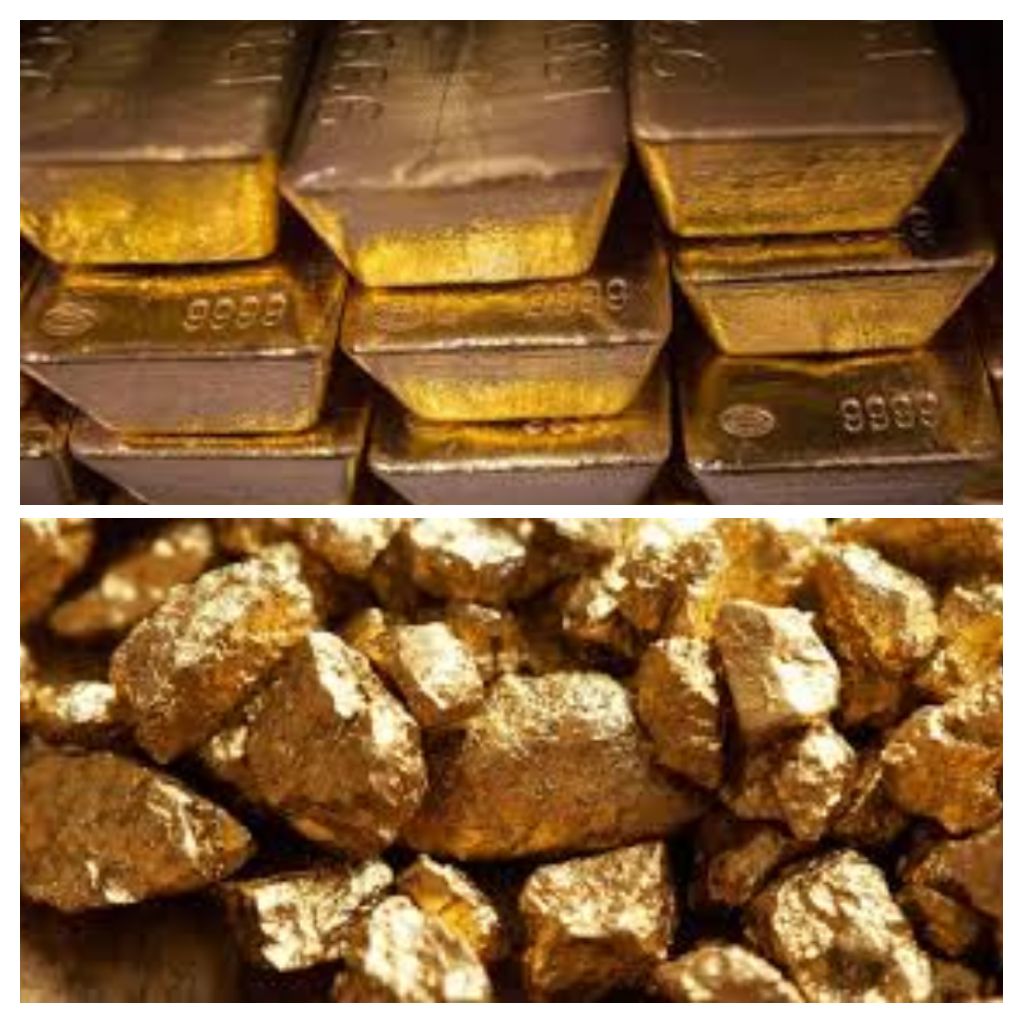
The Nigerian gold that was seized in Ethiopia has sparked a frenzy of speculation and curiosity across the globe. The incident has raised questions about the legality of this trade and the role of governments in regulating it. The story of the seized gold is one that encompasses themes of wealth, power, and the complexities of international trade.
It all started when Ethiopian authorities announced that they had seized 500 kilograms worth $9 million at the Addis Ababa Bole International Airport. This was allegedly being smuggled from Nigeria and was hidden in a shipment of artisanal soap. This revelation sent shockwaves through the international community, as it raised concerns about the extent of illegal trading and the implications for global financial stability.

The Nigerian government was quick to respond to the incident, denying any involvement in the smuggling of the gold. Nigerian officials claimed that it was lawfully sourced and exported, and they called for the release of the seized cargo. However, Ethiopian authorities remained steadfast in their decision to hold it and launch an investigation into the matter.
As the situation unfolded, it became evident that the issue had far-reaching implications for both countries. Nigeria is one of Africa’s leading producers, and the country’s mining industry plays a crucial role in its economy. The seizure of this substance threatened to tarnish Nigeria’s reputation as a responsible producer and exporter, and it also raised concerns about the potential impact on the country’s economy.
The incident also brought to light broader issues surrounding the global gold trade. This is a highly coveted commodity, and its value has remained resilient in the face of economic volatility. However, the trade of this is also susceptible to illicit activities, including smuggling, money laundering, and the financing of armed conflicts. The seizure of thisvin Ethiopia highlighted the need for greater international cooperation and regulation to ensure the transparency and integrity of the global gold market.
Conclusion

Gold
The seized gold became a symbol of the challenges and complexities of the trade. It underscored the need for governments and industry stakeholders to work together to tackle illegal mining and trading activities, and to promote responsible and sustainable practices in the extraction and export of precious metals. Again, this Nigerian gold that was seized in Ethiopia served as a reminder of the far-reaching implications of the gold trade and the importance of upholding ethical and legal standards in the pursuit of wealth and power.