By Segun Adeyanju
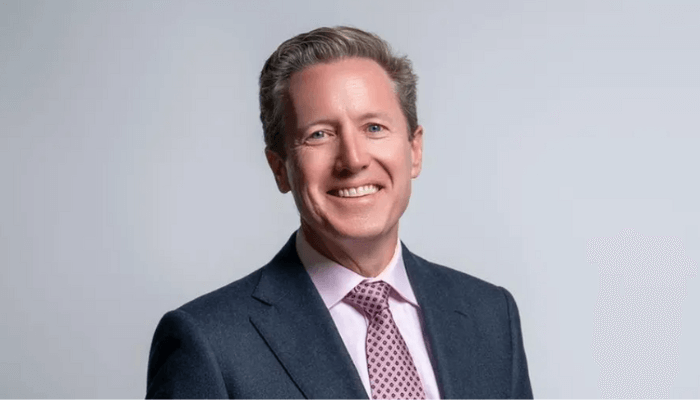
The Dangote Group has turned to global refinery expertise to stabilize and expand its flagship $20 billion refinery, appointing former Duqm Refinery boss David Bird as CEO of its fuels and petrochemicals business.
Bird, a veteran of the global energy sector with experience steering Oman’s OQ8 Duqm refinery through commissioning, officially assumed the role in July 2025.
His appointment signals a major strategic shift for the company as it eyes continental expansion, navigates domestic constraints, and resolves operational bottlenecks at Africa’s largest refinery.
Aliko Dangote, Chairman of the refinery and CEO of the broader group, is banking on Bird’s experience with complex crude slates, international markets, and operational turnarounds.
The refinery-designed to process 650,000 barrels per day has struggled with ramp-up issues and inconsistent local crude supply.
“My focus is on maximizing output and efficiency while scaling our presence across Africa,” Bird wrote on LinkedIn, highlighting his intent to expand Dangote’s downstream footprint beyond Nigeria.
Though the refinery began operations in January 2024, ongoing “unit upsets” and infrastructure design flaws have delayed full capacity.
Still, recent exports of over 220,000 barrels per day, led by jet fuel and gasoil show the refinery’s potential to shake up the region’s fuel market.
Bird’s appointment also comes as the company prepares to launch its own logistics arm, deploying 4,000 CNG-powered trucks to streamline product distribution and reduce dependency on third-party transporters.
Additionally, plans are underway to expand refining capacity to 700,000 bpd, develop new ports, and establish international storage hubs in Namibia and other countries.
However, challenges persist. A naira-based crude supply deal with the NNPC, holding a 7.2% stake, limits pricing flexibility, while lingering distortions in Nigeria’s fuel market complicate cost recovery.
Bird’s predecessor and Dangote himself have both criticized inconsistent regulation and substandard fuel imports for undercutting local refining margins.
Despite the hurdles, the group remains on track for a dual listing on the Lagos and London stock exchanges; part of a broader transparency and capital-raising strategy.
“Bird’s appointment marks a turning point,” said a downstream analyst. “But success depends on how fast he can fix the technical issues and navigate Nigeria’s policy thickets while positioning the refinery as a continental benchmark.”
As Dangote Group moves to cement its place in Africa’s energy value chain, the refinery’s future now rests heavily on the global acumen of its new CEO.