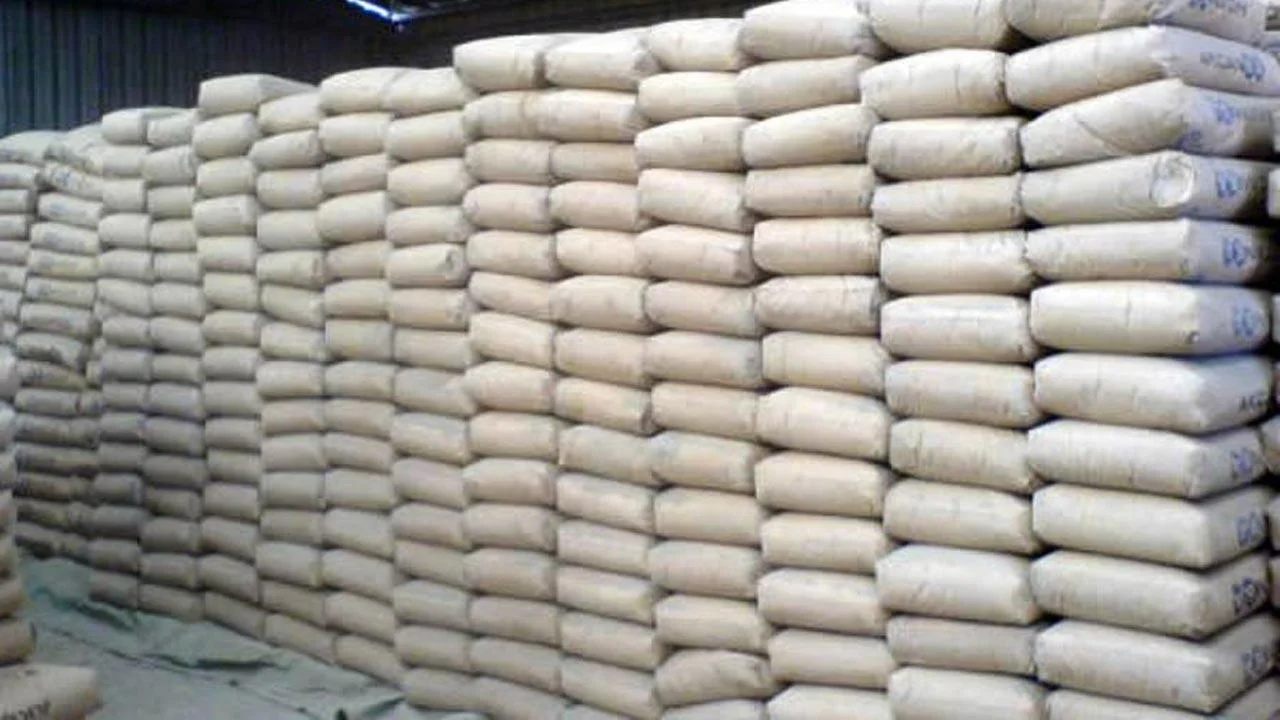
Housebuilders, tenants, developers, and stakeholders have expressed deep concern over a dramatic 53% surge in cement prices across Nigeria, even as the Tinubu administration pursues economic reforms.
Price Escalation Despite Reduction Pledge
A 50 kg bag of cement, which dropped to ₦7,800 in March 2025, down from ₦15,000 in February 2024, has now rebounded to between ₦9,500 and ₦12,000, depending on the location and brand.
In Abuja, prices have surged between 28% and 53%, impacting major brands like Dangote, BUA, and Lafarge.
Benjamin Udoka, a concerned stakeholder, lamented the lack of cement price relief parallel to recent fuel subsidies:
“It is painful that Dangote did not replicate his supposed fuel reduction strategy in the cement sector… In some parts of Abuja, a 50 kg bag of cement goes for as much as ₦11,000. It is pathetic.”
Aliyu Wamakko, former President of REDAN and board member, pointed to weak government oversight, soaring demand, and lack of industry engagement as driving factors. He stated:
“As long as demand exceeds supply…the price is bound to rise… Cement should be cheaper, as 70 percent of its raw materials are found in Nigeria.”
ALSO READ: Dangote Cement Reports ₦311.974 Billion Pre-Tax Profit for Q1 2025, Reflecting 87.48% Growth
Impact on Housing and Construction
-
The spike has worsened the cost of building, rent, and property prices nationwide.
-
In Gwarimpa, Abuja, rent for a self-contained unit has climbed from ₦700,000 to ₦1.5 million annually, according to the National Bureau of Statistics.
-
Despite pledges to reduce prices, especially to support Tinubu’s “Renewed Hope” housing plan, cement costs remain prohibitively high.
Stakeholders are urging President Tinubu’s administration to mount price control measures, resume meaningful engagement with manufacturers, and prioritise cement usage for housing over infrastructure projects.
They argue this is critical to making homes more affordable and relieving pressure on middle-income and low-income earners.