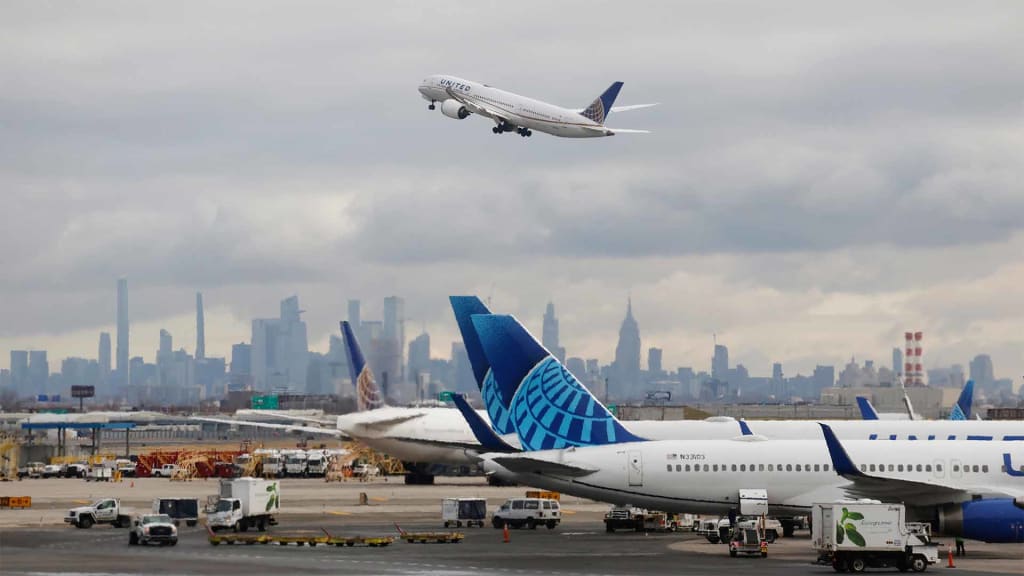
How Aircraft Shortages Cause Revenue Turbulence in the Ecosystem: The aviation industry is currently grappling with significant aircraft shortages that are reverberating through the entire ecosystem, causing turbulence in revenue streams for airlines, service providers, and associated industries. This analysis delves into the multifaceted impacts of these shortages, highlighting the challenges and opportunities that arise in this constrained environment.
The Root Causes of Aircraft Shortages
The ongoing aircraft shortages stem from a combination of production delays, supply chain disruptions, and maintenance issues. Major manufacturers like Boeing and Airbus are facing significant challenges in meeting demand due to:
- Production Limitations: Boeing’s production has been hampered by regulatory constraints and quality control issues, resulting in a steep decline in aircraft deliveries. In 2024, Boeing is expected to deliver significantly fewer aircraft than planned, exacerbating the shortage.
- Engine Supply Issues: Pratt & Whitney’s engine problems are grounding many Airbus A320neo jets, further limiting the available fleet. Approximately 350 of these jets are expected to be grounded between 2024 and 2026, directly impacting airlines reliant on this model.
- Skilled Labor Shortages: The aviation sector also faces a shortage of skilled labour, which complicates maintenance and repair operations and leads to longer downtimes for existing aircraft.
These factors collectively contribute to a constrained aircraft supply, which has significant implications for airlines and the broader aviation ecosystem.
Financial Implications for Airlines
The aircraft shortage creates a paradoxical situation for airlines. While many struggle with reduced capacity and operational challenges, some find lucrative opportunities through sale-and-leaseback transactions. Airlines like Frontier and Wizz Air have capitalized on the tight market by selling newly acquired planes to leasing companies at inflated prices, generating substantial profits.
However, this reliance on sale-and-leaseback deals poses risks. Airlines that depend heavily on these transactions for liquidity may be vulnerable if the market shifts or production issues persist. Additionally, the increased lease rates—up by 30% compared to pre-pandemic levels—can strain operational budgets, forcing airlines to pass costs onto consumers.
Impact on Revenue Streams
The shortage of aircraft has cascading effects on revenue streams across the aviation ecosystem:
- Increased Ticket Prices: With fewer aircraft available, airlines are likely to raise ticket prices to cover increased operational costs. This can lead to reduced demand, particularly among price-sensitive travelers.
- Cargo Capacity Constraints: Many passenger aircraft also serve as cargo carriers. Reduced aircraft availability limits cargo capacity, leading to higher freight rates and potential delays in the delivery of goods. Industries reliant on air freight, such as pharmaceuticals and electronics, may face significant disruptions.
- Operational Challenges: Airlines are forced to extend the lifespan of older aircraft, which can lead to higher maintenance costs and an increased risk of operational disruptions. This can impact flight schedules and customer satisfaction, further affecting revenue.
Navigating the Challenges
To mitigate the impacts of aircraft shortages, airlines and associated businesses must adopt strategic measures:
- Diversification of Supply Chains: Companies should explore alternative shipping routes and modes to reduce reliance on air transport. This may involve increasing the use of ocean freight or land-based logistics, albeit with longer transit times.
- Enhanced Visibility and Collaboration: Building strong partnerships across the supply chain is crucial. Effective communication and collaboration can help stakeholders navigate disruptions and identify alternative solutions.
- Investment in Technology: Implementing advanced tracking and inventory management systems can provide real-time insights into supply chain dynamics, allowing businesses to respond proactively to potential disruptions.
Conclusion
The current aircraft shortages are creating a complex landscape for the aviation industry and its ecosystem. While some airlines are finding ways to profit amid these challenges, the broader implications for revenue, operational efficiency, and customer satisfaction cannot be overlooked. As the industry grapples with these issues, strategic planning and collaboration will be essential for navigating the turbulent waters ahead. The path to recovery will require adaptability and innovation, ensuring that the aviation sector can meet the demands of the future while maintaining financial stability.