By Segun Adeyanju
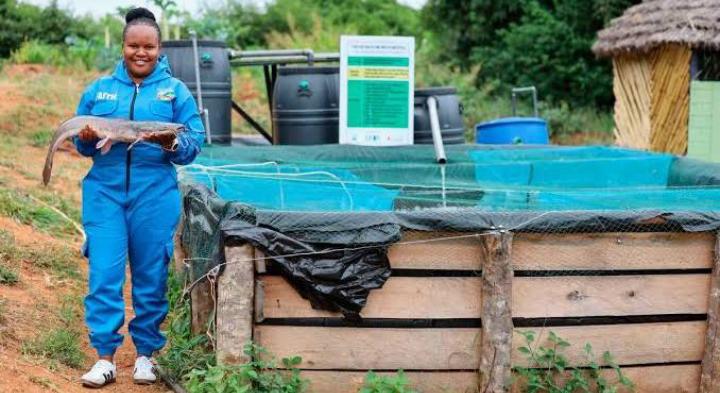
Smart pond technology is creating new opportunities for fish farming in arid and semi-arid regions, enabling farmers to increase production while using significantly less water.
The innovation combines Internet of Things (IoT) sensors, artificial intelligence (AI), automated feeding systems and water recycling technology to help farmers monitor fish health and water quality in real time, reducing losses and improving productivity.
Experts say the technology is transforming aquaculture in areas where water scarcity has traditionally limited fish production. Unlike conventional ponds, smart ponds use digital sensors to track oxygen levels, temperature, pH and other critical water quality indicators, alerting farmers to problems before they threaten fish stocks.
The systems also feature automated feeders that dispense the right amount of feed based on fish behaviour and environmental conditions. This reduces feed waste, lowers operating costs and improves fish growth.
Researchers say smart ponds are particularly beneficial in drought-prone regions because many of the systems recycle and filter water, allowing farmers to produce more fish with far less freshwater than conventional aquaculture methods.
The technology is also opening new business opportunities for agritech firms developing digital monitoring platforms, smart sensors, automated feeding equipment and water management solutions for fish farmers.
In Egypt, researchers are testing advanced in-pond raceway systems that combine fish farming with crop production by reusing nutrient-rich pond water for irrigation. The integrated approach boosts food production while conserving scarce water resources.
Industry analysts believe the adoption of smart aquaculture will continue to grow as climate change intensifies water shortages and demand for fish rises globally. Although the initial investment remains relatively high, declining technology costs are expected to make smart ponds more accessible to commercial and small-scale farmers.
Experts say the innovation could play a key role in strengthening food security, creating jobs and expanding sustainable aquaculture across water-scarce regions, offering farmers a profitable way to adapt to changing climatic conditions.