By Segun Adeyanju
The Federal Government has taken a bold step toward reshaping Nigeria’s infrastructure with plans for a massive integrated project aimed at transforming the nation’s transport and energy landscape.
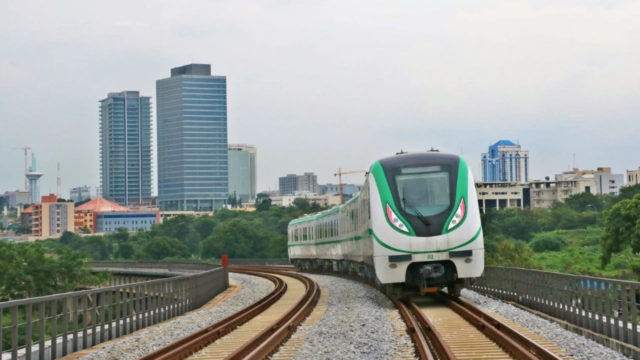
The initiative, which includes a proposed 4,000 kilometre inter city high speed rail network linking all 36 states and the Federal Capital Territory, is part of a broader 200 billion dollar development plan currently under review.
Inaugurating a high level technical committee in Abuja, the Secretary to the Government of the Federation, George Akume, said the project is designed to drive economic growth, enhance national integration, and improve energy security.
He explained that the initiative combines rail transport, gas development, power generation, and transmission into a multi phase programme expected to modernise critical sectors of the economy.
“The proposed project has the potential to significantly transform Nigeria’s transport system, strengthen energy security, stimulate industrial growth, and deepen national integration,” Akume said.
According to him, the committee has been tasked with conducting a thorough assessment of the proposal, including technical, legal, and environmental considerations, as well as verifying claims made by the project promoters.
The committee comprises permanent secretaries from key ministries such as transportation, petroleum resources, finance, justice, and environment, alongside representatives of major regulatory and security agencies including the Central Bank of Nigeria, Economic and Financial Crimes Commission, and Department of State Services.
Providing further insight into the proposal, Managing Director of De Sadel Nigeria Limited, Samuel Ukoh, described the project as a transformative effort that would revolutionise transportation across the country.
He disclosed that the dual track high speed rail system is expected to reduce inter city travel time by up to 75 percent while connecting major economic hubs such as Lagos, Abuja, Kano, and Port Harcourt.
Ukoh added that the first phase of the project would be supported by the generation of about 3500 megawatts of power to drive the rail network, further strengthening the country’s energy capacity.
Analysts say the project, if successfully implemented, could mark a turning point in Nigeria’s infrastructure development by improving mobility, boosting trade, and enhancing regional connectivity across the federation.
The Federal Government has assured that the review process will be guided by professionalism, transparency, and international best practices to ensure that the project delivers long term value for the country.