Nigeria’s foreign exchange inflows from diaspora remittances may be at risk as the United States moves closer to implementing a controversial remittance tax targeting non-citizens.
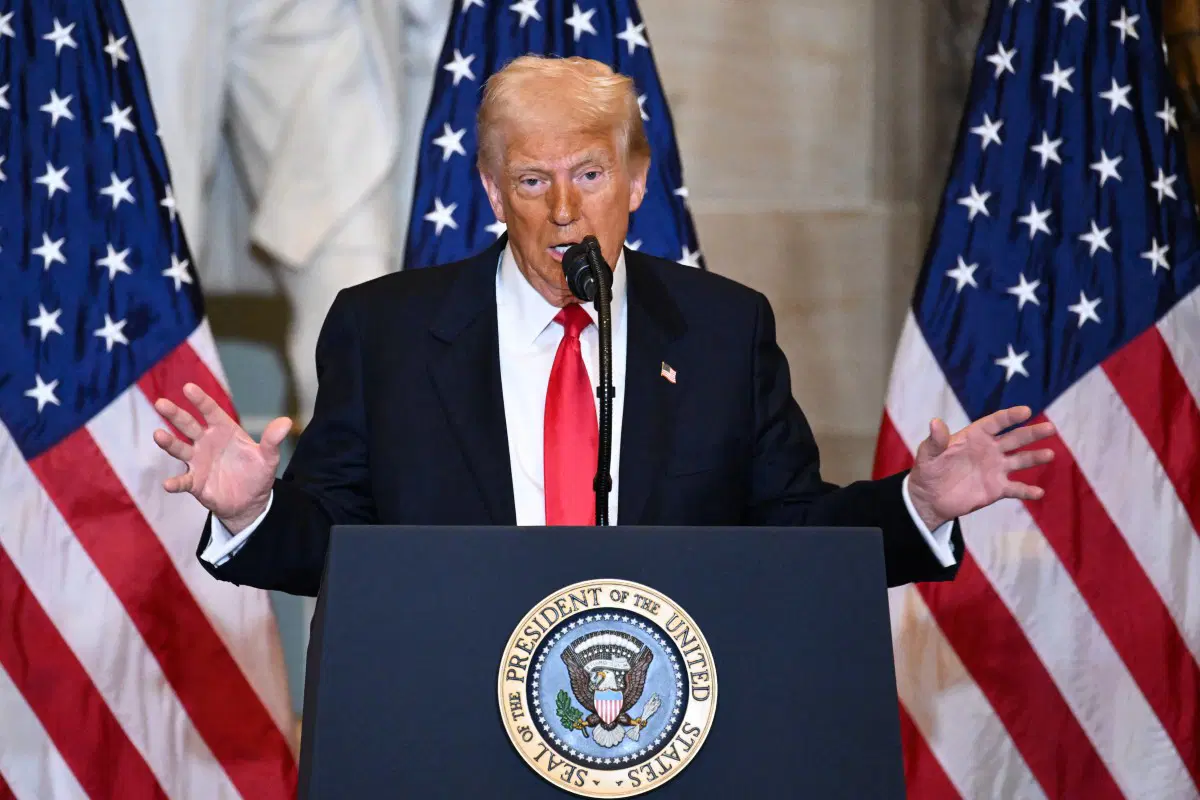
A provision within the “One Big Beautiful Bill Act,” recently passed by the U.S. House of Representatives under former President Donald Trump’s leadership, proposes a 3.5% levy on all international money transfers made by non-citizens living in the U.S.
If signed into law, this tax would apply to green card holders, visa holders, and other non-citizen residents, with deductions occurring at the point of transfer. The collected taxes would be remitted to the U.S. Treasury quarterly, leaving no exemptions—even for the smallest transfers.
READ ALSO: Trump Administration Implements Entry Ban on Citizens From 12 Countries
Given Nigeria’s heavy dependence on remittances, the potential impact could be significant. According to the Central Bank of Nigeria, personal remittances reached $20.93 billion in 2024, marking a five-year high and contributing meaningfully to Nigeria’s balance of payments. Historical data also shows that Nigerians in the U.S. sent over $6 billion back home as far back as 2015, a figure likely to have grown since then.
Industry analysts warn that the proposed tax could deter formal remittance transactions, pushing many senders toward informal and unregulated channels to avoid additional costs. This could affect transparency and reduce the foreign reserves Nigeria depends on to stabilise its currency.
According to the Agusto Diaspora Remittance Industry Report, Africa received around $94.8 billion in remittances in 2023, with Nigeria and Egypt accounting for nearly half of the total. These funds have played a vital role in household consumption and economic stability, especially in Nigeria’s case.
The bill, while not affecting U.S. citizens, will impact millions of immigrants in the United States. Of the estimated 47.8 million immigrants as of 2023, nearly 75% are legally residing as either naturalised citizens, green card holders, or temporary visa holders, many of whom send money home regularly.
If the bill becomes law, it could redefine the landscape of diaspora remittances in Nigeria, affecting households, businesses, and the nation’s broader economic resilience.