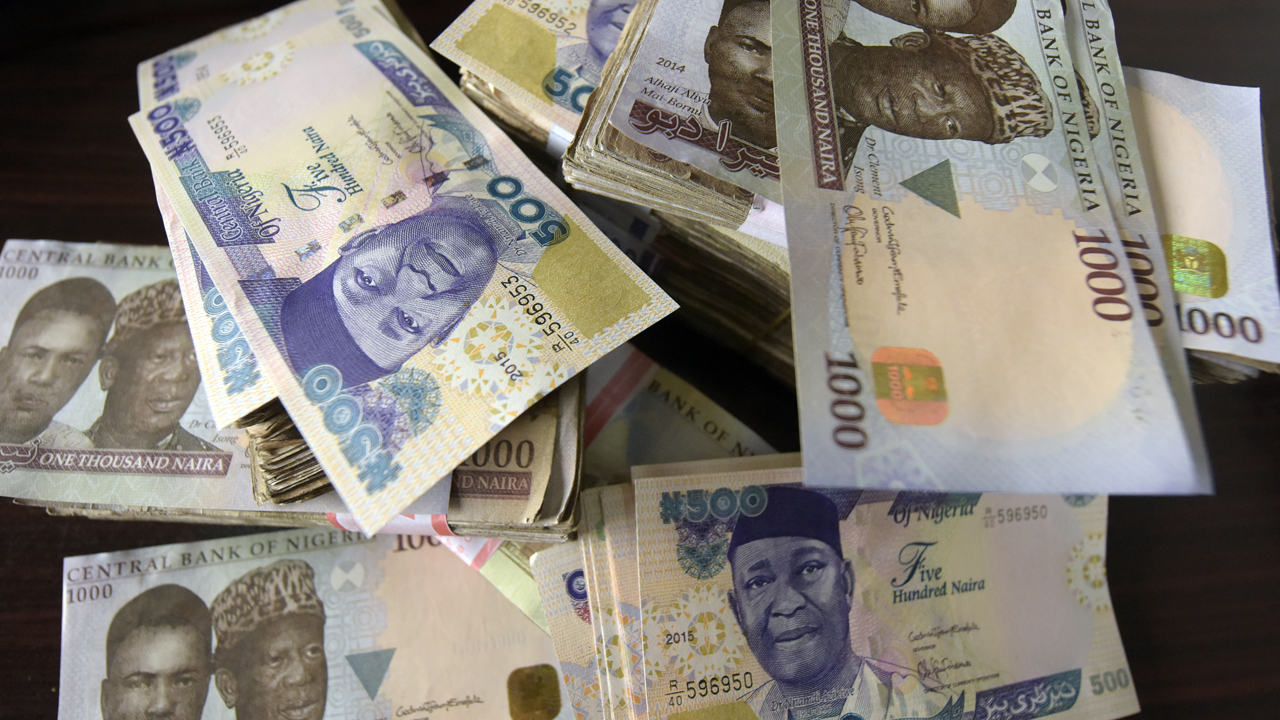
Despite a sharp decline in the U.S. dollar index—down more than 2% in just two days—the Nigerian naira has yet to capitalize on the global currency shift.
As of recent market activity, the naira was trading at approximately ₦1,625 to the dollar on the parallel market, underscoring persistent pressure on the local currency.
Analysts point to mixed economic signals. Globally, the greenback is losing ground amid a broad sell-off in U.S. Treasury assets and the latest round of U.S. tariffs, which have dampened demand for dollar-denominated investments. However, in Nigeria, demand for dollars remains elevated.
The continued weakness of the naira is largely driven by structural challenges, including a heavy dependence on imported goods and lingering concerns about the impact of declining global oil prices. This is despite a reported improvement in the Central Bank of Nigeria’s foreign exchange net reserves.
Until Nigeria reduces its reliance on imports and strengthens domestic production capacity, the naira is unlikely to reflect gains from favorable global currency trends.