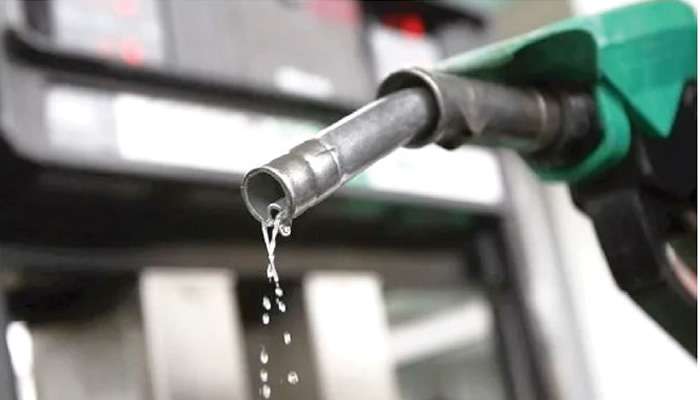
The cost of Premium Motor Spirit (PMS), commonly known as petrol, is expected to increase in the coming days as the landing cost of imported fuel has surged once again.
This follows a rise in fuel imports, largely due to the Dangote refinery‘s decision to halt the sale of petroleum products in naira to local marketers. The refinery’s move is reportedly linked to the Federal Government’s failure to sustain the naira-for-crude exchange arrangement.
A scheduled meeting between the Technical Sub-Committee on the Naira-for-Crude Policy, representatives of the Dangote refinery, and government officials was postponed earlier this week.
According to sources, the Nigerian Upstream Petroleum Regulatory Commission (NUPRC) had yet to provide viable alternatives for the deal, delaying discussions. The meeting is expected to be rescheduled before the upcoming Sallah holiday.
Meanwhile, figures from the Major Energies Marketers Association of Nigeria (MEMAN) revealed a significant N88 per litre jump in the landing cost of imported petrol within a single week.
The cost, which stood at N797 per litre last week, climbed to N885 per litre, suggesting that pump prices could soon reflect this increase.
Despite this, MEMAN maintained that price fluctuations are inevitable in a deregulated market, arguing that resistance from those accustomed to past price controls has made the transition challenging.
The latest landing cost now exceeds the price at which end-users purchase Dangote refinery’s petrol, currently sold at N860 per litre through MRS and other partners, by about N25. At the ex-depot level, Dangote’s fuel is priced at N815 per litre, N70 lower than the cost of imported alternatives.
Analysts fear that with additional charges and dealer margins factored in, the price of imported petrol may reach or exceed N1,000 per litre at filling stations.
This comes after a brief period of price relief, when the cost of PMS dropped to an average of N860 per litre from nearly N1,000 in January, following multiple price cuts by the Dangote refinery.
The refinery’s aggressive price reductions had triggered what industry observers described as a trade war, forcing fuel importers to sell below cost, leading to massive financial losses. During this time, the landing cost of imported fuel dipped to N927, prompting Dangote refinery to respond with further price cuts.
However, the ongoing standoff between Dangote refinery and the Nigerian National Petroleum Company Limited (NNPCL) over the naira-for-crude policy, combined with the recent spike in landing costs, has fueled concerns of an imminent petrol price hike.