Children born in resource-rich African countries, including Nigeria, are significantly disadvantaged compared to their peers in less resource-intensive regions, according to a report by the International Monetary Fund (IMF).
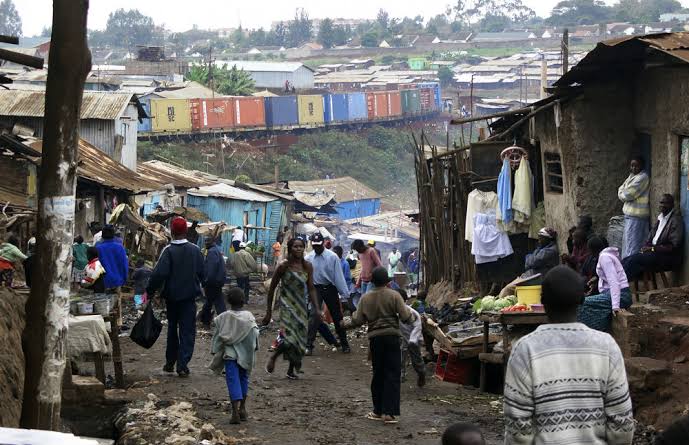
The findings reveal that children in such countries are 25% more likely to experience poverty and, on average, are expected to live four years less.
In its report titled “Growth in Sub-Saharan Africa is Diverging,” the IMF highlighted a concerning disparity in growth across the region.
Sub-Saharan Africa may boast nine of the world’s 20 fastest-growing economies this year, but these headline figures mask the underperformance of resource-rich countries (RICs), particularly fuel exporters like Angola, Chad, and Nigeria.
Declining Growth in Resource-Intensive Countries
Over the past decade, growth in RICs has slowed sharply compared to non-resource-intensive countries (non-RICs) such as Ethiopia, Rwanda, and Senegal. While RICs enjoyed rapid growth leading up to 2014, incomes in these nations have since stagnated.
The IMF attributes this slowdown to two major factors:
1. Commodity Price Decline
The end of the commodity “super-cycle” in 2014–2015, which saw a dramatic drop in export prices, hit RICs hard. Although there has been some recovery, it has not fully offset the initial shock.
2. Structural Vulnerabilities
The terms-of-trade shocks were exacerbated by pre-existing challenges, including weak governance, systemic corruption, poor resource revenue management, limited human capital, and an unfavorable business environment. These factors have hindered productivity and stifled economic diversification.
Governance Weaknesses and Economic Impact
The report underscored how weak governance and corruption negatively impact both the resource sector and the broader economy.
For example, issues such as oil theft reduce efficiency and divert resources away from productive uses. Similarly, an unfavorable business climate discourages private sector investment, further compounding the problem.
Countries outside the region with stronger governance structures have weathered commodity price slumps more effectively, the IMF noted. Analysis shows that countries with fewer governance challenges experience less severe and shorter-lasting impacts from terms-of-trade shocks.
Fiscal Challenges and Poor Resource Management
The IMF pointed out that fiscal policies in RICs often amplify economic shocks. For instance, during periods of high commodity prices, many RICs embark on costly capital projects that are poorly planned and executed. These expenditures are followed by drastic cuts when prices fall, creating economic instability.
Additionally, fuel exporters in the region frequently provide substantial fuel subsidies, which become more expensive as oil prices rise. This limits their ability to save during booms and hampers investment in development projects.
Since 2011, the average oil-exporting country in sub-Saharan Africa has spent all its oil revenues in the year they were earned, leaving little room for savings or long-term planning.
Addressing the Growth Divergence
The IMF stressed that reversing this trend is both a regional and humanitarian priority. Resource-intensive countries account for about two-thirds of sub-Saharan Africa’s GDP and population. The stagnation in these economies has also led to poor development outcomes, with progress in poverty reduction effectively halting since 2014.
To reignite growth, the IMF recommends:
– Improved Resource Management
Implementing prudent and consistent fiscal policies can stabilize the macroeconomic environment and support resilient growth.
– Structural Reforms
Enhancing governance, improving the business environment, investing in human capital, and addressing infrastructure gaps are essential for economic diversification and long-term growth.
– Adaptation to Global Trends
Fuel-exporting nations must accelerate their diversification efforts in response to the global transition toward green energy.
The IMF concluded that addressing these challenges is crucial not only for economic recovery but also for improving the lives of millions across resource-rich African nations.
Without immediate action, the cycle of stagnation and poverty will persist, leaving future generations at a disadvantage.