Nigeria is losing a staggering $1.1 billion annually to medical tourism, according to the African Export-Import Bank (Afreximbank)—a trend it warns is draining foreign exchange and stalling the country’s healthcare development.
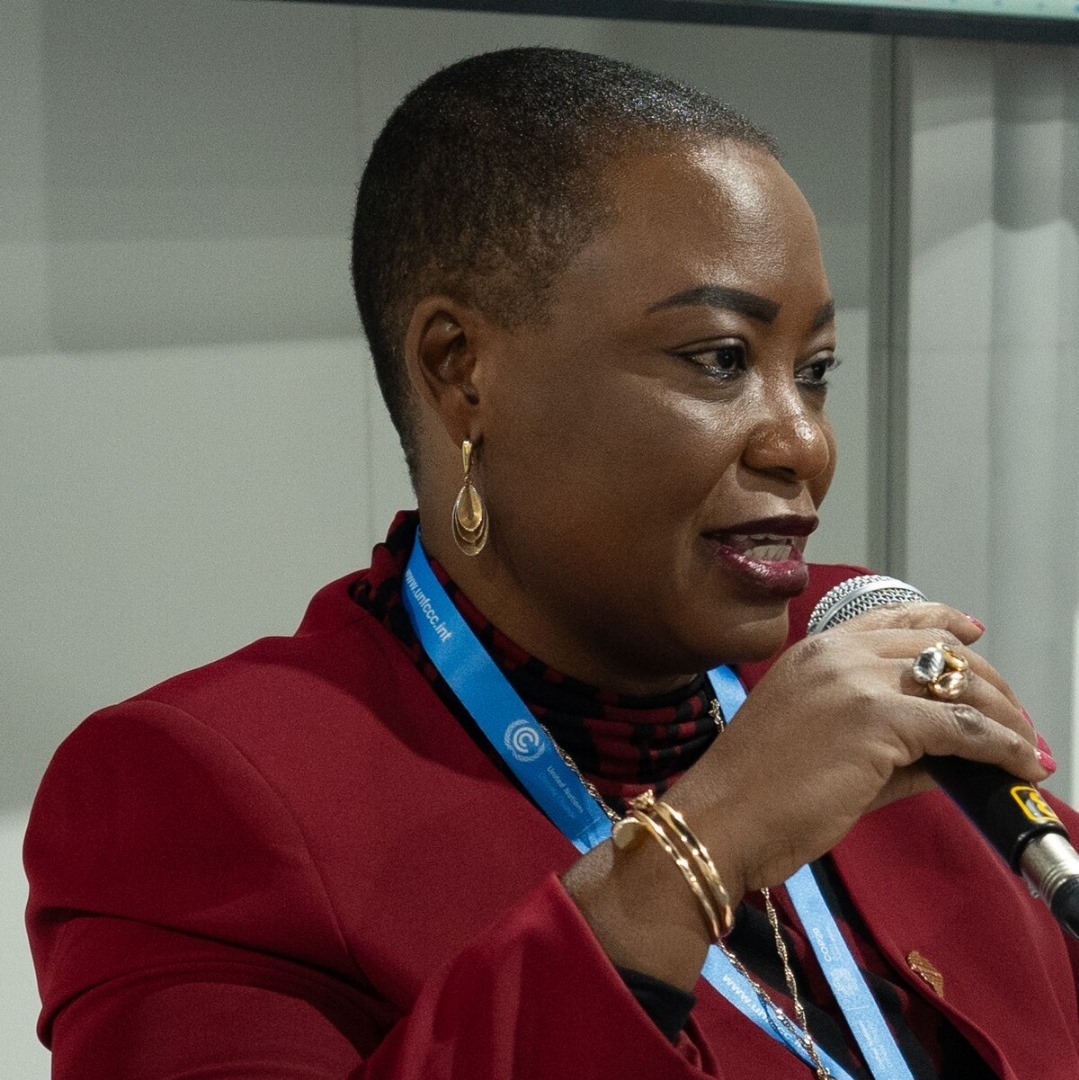
The revelation came during the 32nd Annual Afreximbank Meetings in Abuja, where Mrs. Oluranti Doherty, Managing Director of Export Development at the Bank, emphasised the urgent need for investment in local medical infrastructure.
“Medical tourism is costing Nigeria about $1.1 billion every year. Across Africa, we’re losing around $7 billion—money that builds foreign institutions instead of ours,” Doherty explained.
She noted that Nigeria’s heavy dependence on foreign healthcare for chronic illnesses is not only harming the economy but also preventing critical capital from being reinvested into domestic health systems. This capital flight, she said, represents a lost opportunity to build the kind of facilities and services that could serve Nigerians at home.
READ ALSO: Afreximbank Launches $1 Billion Fund to Boost Africa’s Film Industry
But it’s not just financial losses that are raising red flags. Doherty also pointed to the mass exodus of skilled medical professionals who leave for better opportunities in countries like India, the U.S., and across the Middle East.
“We’re not just losing money—we’re losing our best people,” she added. “This brain drain compounds the challenges facing healthcare delivery in Nigeria and the continent at large.”
Afreximbank’s Bold Response: Building Local Capacity
In response to the growing crisis, Afreximbank launched its Health and Medical Tourism Programme back in 2012, recognising the link between robust healthcare systems and sustainable economic growth.
A key outcome of this initiative is the Africa Medical Centre of Excellence (AMCE), currently under development in Abuja. This 170-bed hospital, backed by over $450 million in investment from the Bank, is being designed to offer global-standard healthcare.
“We’re not aiming for just African standards—we’re aiming for the world’s best,” Doherty said. “This facility features advanced technology like a three-Tesla MRI, an 18 MeV cyclotron, and a 20-bed ICU.”
She described the project as a bold step into uncharted territory, with Afreximbank taking on the role of “innovative financier and visionary investor.”
A Call for Policy Shift and Renewed Trust
Doherty stressed that reversing the tide of medical tourism requires more than infrastructure—it demands policy reforms and a cultural shift to rebuild public trust in local healthcare systems.
“Africans must believe again in African healthcare. We must build systems that inspire confidence,” she said.
With Nigeria losing not just wealth but also its healthcare workforce to foreign systems, Afreximbank’s efforts mark a pivotal intervention. The hope is that with sustained investment and strategic policymaking, the nation can begin to retain both its capital and its talents, ensuring that quality healthcare is available within its borders.