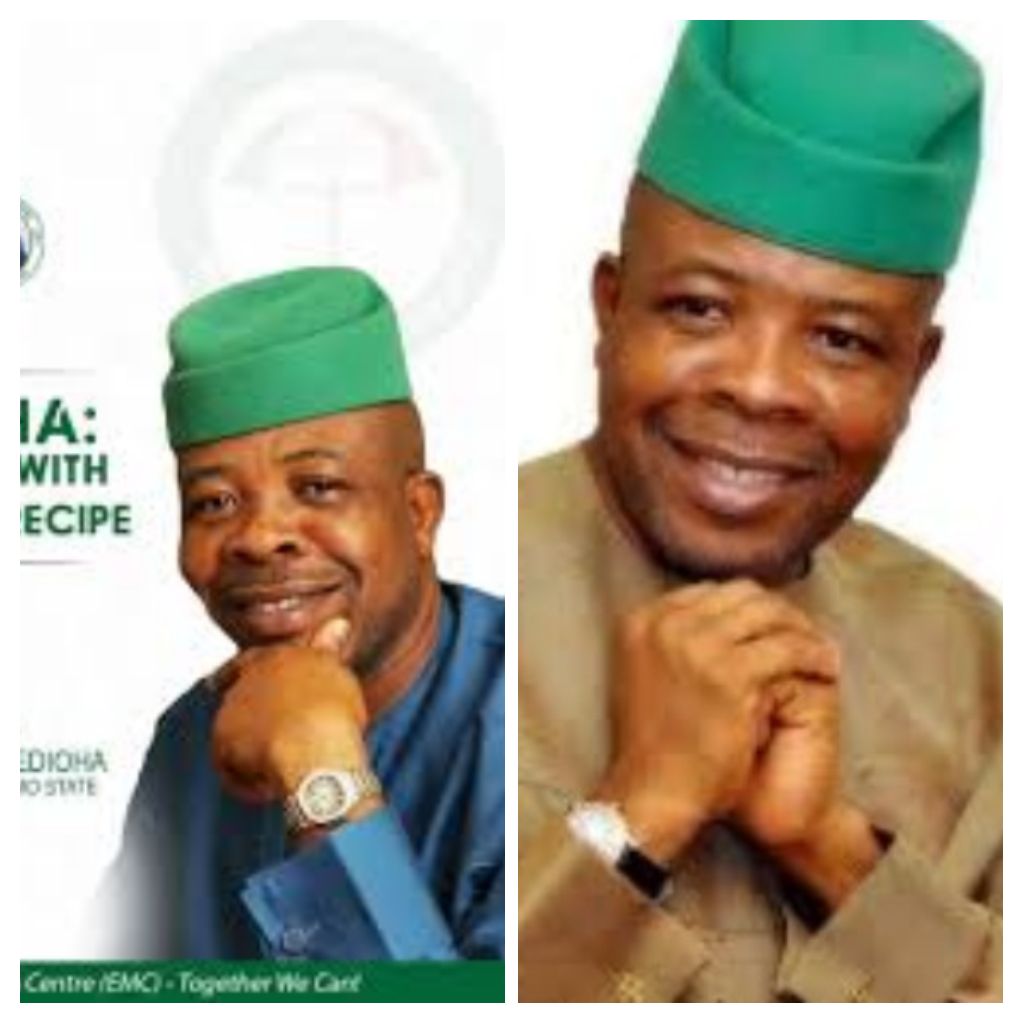
The recent legal developments in Nigeria’s political landscape have seen the Supreme Court dismiss an application by Emeka Ihedioha, a member of the Peoples Democratic Party (PDP), who sought a certificate of return as the rightful governor of Imo State. In a decisive ruling delivered by Justice Tijjani Abubakar on a Tuesday, the apex court asserted that his application lacked merit, deeming it unnecessary and vexatious.
Moreover, the court took the unusual step of imposing a cost of N40 million against Ihedioha’s legal representative, Mike Ozekhome, citing the frivolous nature of bringing the matter before the court. This punitive measure reflects the court’s stance on discouraging unwarranted legal challenges.
This ruling effectively upholds the Supreme Court’s prior judgment on January 14, 2020, which nullified his election and declared Hope Uzodinma, a member of the All Progressives Congress (APC), as the legitimate governor of Imo State. He had contended that Uzodinma was not qualified to run in the gubernatorial election, arguing that he lacked the requisite number of votes to secure victory in the primary election of his party.
Despite his assertions, the Supreme Court firmly rejected his argument, asserting the validity of Uzodinma’s candidacy. This legal saga has not only reaffirmed the 2020 judgment but also underscored the court’s commitment to upholding the integrity of electoral processes.

The crux of Ihedioha’s claim revolved around Uzodinma’s eligibility, emphasizing that he did not possess the necessary votes to emerge as the APC’s primary election winner. However, the Supreme Court, in its wisdom, maintained that Uzodinma’s candidacy met all relevant criteria, dismissing any doubts regarding its legitimacy.
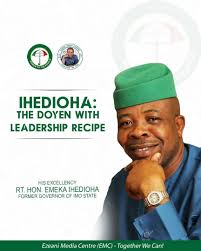
Conclusion: Ihedioha
This legal battle highlights the complexity and contentious nature of electoral disputes, especially in a political landscape where power transitions are fiercely contested. The imposition of costs against Ihedioha’s legal representative serves as a cautionary tale, emphasizing the need for thorough legal scrutiny before bringing matters before the courts, thereby promoting judicious use of judicial resources.