Bank capitals, the Governor of the Central Bank of Nigeria, Yemi Cardoso, delivered a notable address at the 58th Annual Bankers Dinner in Lagos, suggesting a potential imperative for commercial banks in the country to augment their capitalization in the ensuing months. This revelation stems from his acknowledgment of President Bola Ahmed Tinubu’s ambitious economic agenda, which aims to elevate the country’s output level to an impressive $1 trillion. In expressing doubt about the current adequacy of Nigerian banks’ capital requirements to sustain such a substantial economy, Cardoso asserted the need for a meticulous evaluation of their sufficiency.
During his address, Governor Cardoso underscored the importance of not merely ensuring the stability of the financial system in the present moment, as recent assessments had indicated stability. However, he posed a critical question: Would Nigerian banks possess sufficient capital relative to the financial system’s needs in servicing a $1.0 trillion economy in the near future? His unequivocal response was in the negative, suggesting that proactive measures must be taken. Consequently, he announced the Central Bank’s intention to direct banks to increase their capital, recognizing this as a crucial step in aligning with the ambitious economic goals outlined by the government, bank capitals.
Despite acknowledging that, in their present form, banks have successfully passed stress tests, Governor Cardoso expressed reservations about their capacity to effectively fund the economy in the approaching future. This anticipation of a potential shortfall in capital prompted the Central Bank’s decision to address the matter preemptively.
Shifting the focus to the Monetary Policy Committee (MPC) meetings, Governor Cardoso clarified the Central Bank’s adherence to statutory requirements, emphasizing that the Central Bank of Nigeria Act 2007 mandates a minimum of four meetings per year. He assured that the bank had satisfied this requirement for the year 2023 and emphasized the institution’s dedication to ensuring that these meetings are not only routine but also impactful, bank capitals.
Acknowledging recent challenges in monetary policy transmission, Governor Cardoso disclosed a strategic shift towards explicit inflation targeting as opposed to the previous focus on money base control. This adjustment reflects a broader effort to enhance the effectiveness of monetary policy in the face of evolving economic conditions. He further disclosed that the details of the inflation-targeting framework are currently being finalized in collaboration with the fiscal authority.
Governor Cardoso also addressed the issue of the Central Bank’s credibility loss and revealed a discontinuation of various forms of intervention that had injected substantial funds, approximately N10 trillion, into the economy in recent years. In lieu of direct interventions, he outlined a collaborative approach with key stakeholders to support economic growth, including the promotion of specialized institutions, bank capitals.
Touching on the foreign exchange backlog payment, Governor Cardoso provided assurance that tranches had been paid to 31 banks, with a commitment to continue until all obligations are met. He reiterated the Central Bank’s role as the lender of last resort, pledging unwavering support to stand by Nigerians in all its dealings and policy actions, bank capitals.
In a candid reflection on the events leading to his appointment, Governor Cardoso acknowledged the significant credibility loss suffered by the Central Bank. Looking ahead, he outlined the steps taken to redeem the institution, emphasizing that efforts over the past few months have started to yield positive results, with the system poised for further consolidation.
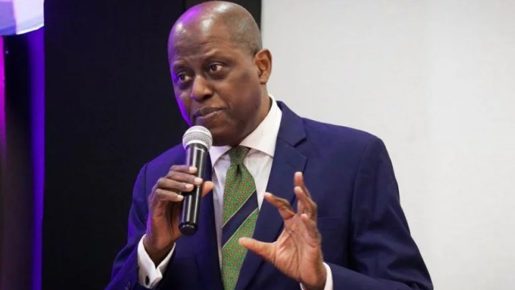
Commercial bank capitals
Governor Cardoso concluded his comprehensive address by outlining recent initiatives undertaken by the Central Bank to manage liquidity, stabilize the economy, and fulfill its core mandates. These initiatives include regular Open Market Operations (OMO) to address excess liquidity, Treasury Bill offerings to the public, the removal of the cap on the remunerable Standing Deposit Facility (SDF), and sustained Cash Reserve Requirement (CRR) debits to moderate liquidity. Additionally, he highlighted the inauguration of a new liquidity management committee within the Bank, meeting daily to assess liquidity conditions and ensure optimal levels.
In essence, Governor Cardoso’s address provided a detailed overview of the challenges and strategic initiatives undertaken by the Central Bank of Nigeria to navigate the complexities of the current economic landscape and fulfill its crucial role in promoting stability and growth, bank capitals.