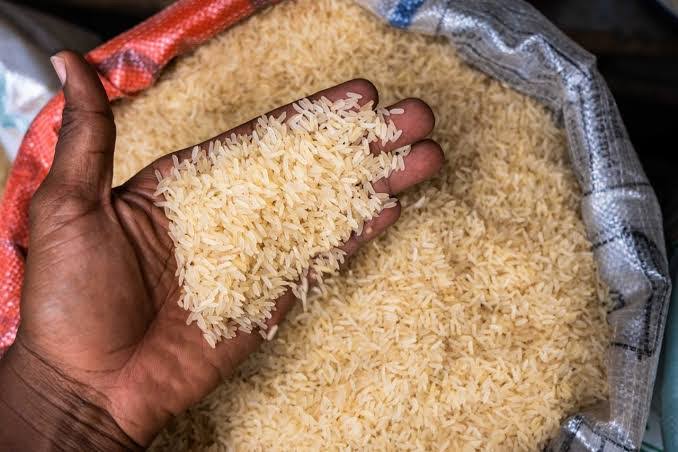
As of late April 2025, the price of a 50kg bag of rice in Nigeria has decreased to approximately ₦58,000 in certain regions, offering some relief to consumers amid ongoing economic challenges.
Factors Contributing to the Price Drop
-
Increased Rice Imports from India: India’s removal of export duties on parboiled rice has led to a significant influx of rice into West Africa, particularly through the Republic of Benin. This surge in supply has contributed to the reduction in rice prices in Nigeria.
-
Market Oversupply: Warehouses in Benin are reportedly filled with imported rice, leading to an oversupply in the market. This glut has driven prices down, especially in border towns where rice is selling for below ₦50,000 per 50kg bag.
-
Government Policies: The Nigerian government’s 150-day import duty-free window for essential food items, including rice, has facilitated increased imports, further contributing to the price decline.
Regional Price Variations
-
Border Areas: In towns close to the Benin border, such as those in Ogun State, rice prices have fallen below ₦50,000 per 50kg bag due to the ease of cross-border smuggling.
-
Urban Centres: In major cities like Lagos, prices for a 50kg bag of rice range between ₦60,000 and ₦65,000, depending on the brand and market.
Market Outlook
Despite the price drop, demand for rice has not significantly increased, as consumers adopt a wait-and-see approach, anticipating further price reductions. Analysts suggest that a notable uptick in demand may not occur until the festive season later in the year.
The Nigerian Customs Service continues to combat rice smuggling, which remains a significant challenge despite regulatory efforts.
Overall, the current decrease in rice prices provides temporary relief for consumers, but the sustainability of this trend will depend on various factors, including government policies, import dynamics, and market demand.