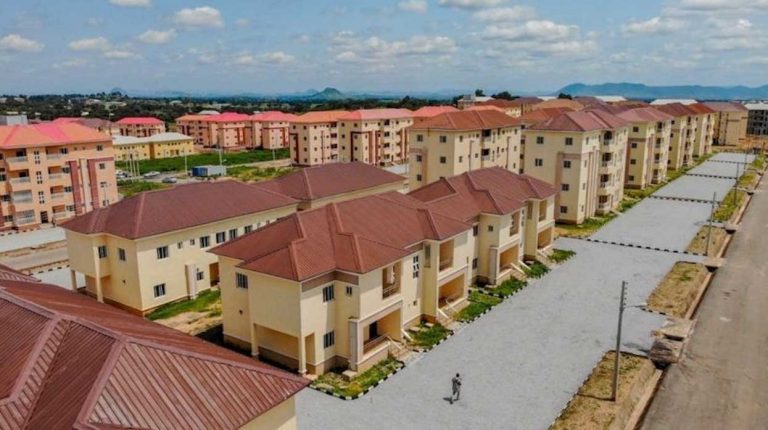
The co-founder and Head of Business Development at Dukiya Investments, Lukman Shobowale, has said that Nigeria’s rising population and rapid urbanisation will drive demand for housing in 2024.
In an interview with The PUNCH, he noted that real estate and housing have helped to sustain the contribution of the non-oil sector in 2023.
He said, “2024 is not likely to be any different. Nigeria’s rising population projected to hit 400 million by 2050 and urbanisation are the two critical factors that will drive demand for housing in 2024.
“The sector is also likely to be aided by key government policies, such as the intervention of the government through ongoing mass housing schemes by the national government, while at the sub-national level, the ongoing urban renewal projects already embarked on by several sub-national governments, including Kaduna, Lagos, Kwara and a host of other states will likely attract investment into the sector.”
According to Shobowale, although the budget for housing in the 2024 budget appears insignificant compared to the scale of the investment required if the government shows a will to partner with private sector players, it would significantly address key challenges in the sector.
He projected a bright prospect for the real estate and housing sector this year.
Nigeria is currently said to have a housing gap of 28 million, which the Vice President, Senate Kashim Shettima, recently said would require N21tn to bridge.
In the same vein, an estate surveyor, Olorunyomi Alatise, said the anticipated surge in the country’s population and the current trend of urbanisation cause a challenge in the country’s housing market.
He said, “As more individuals migrate from rural to urban areas in pursuit of improved living conditions and economic opportunities, the demand for housing in urban centres is poised to skyrocket.
“This rapid urbanisation often outpaces the development of adequate housing infrastructure, creating a substantial gap between supply and demand. The consequences of this disparity could include escalating property prices, heightened rental costs, and an increased likelihood of informal settlements characterised by inadequate living conditions.”
The World Bank puts Nigeria’s urban population as a percentage of the population at 53.52 per cent.
Alatise noted that the country’s housing shortage in urban areas could be attributed to a combination of factors, including limited investment in infrastructure, challenges in land use planning, and economic considerations.
“The inadequate development of infrastructure, such as roads and utilities, hampers the timely construction of housing projects, contributing to the widening gap between demand and supply.
“Economic factors, such as low affordability and income disparities, further compound the challenges, making it difficult for a significant portion of the population to access suitable housing options. These issues highlight the urgent need for comprehensive strategies that address both the immediate and long-term aspects of the housing crisis,” he enunciated.
Alatise asserted that addressing the country’s housing shortage required a multifaceted approach, involving collaboration between the government, private sector, and non-governmental organisations.
He added, “Increased investment in infrastructure development, streamlined land use planning processes, and the implementation of policies promoting affordable housing are essential components of a sustainable solution.
“By adopting a holistic strategy, Nigeria can navigate the challenges posed by population growth and urbanisation, ensuring that the housing market can adequately meet the needs of its expanding urban population in the coming decades.”
SOURCE: PUNCHNG