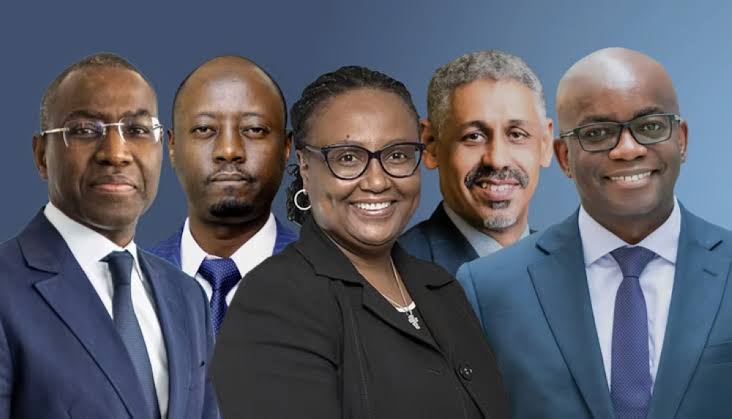
The race to lead the African Development Bank (AfDB) is heating up, as five high-profile candidates prepare to contest for the presidency of the institution during its annual gathering this Thursday in Abidjan, Côte d’Ivoire.
The election comes at a pivotal moment for the AfDB. With traditional donor nations pulling back on aid and the volatility of global borrowing costs, the institution’s $318 billion in capital has become increasingly vital to Africa’s growth trajectory. The continent now looks to the AfDB not just for funding, but for leadership in crafting sustainable, long-term development solutions.
Bajabulile Swazi Tshabalala – The Visionary Reformer
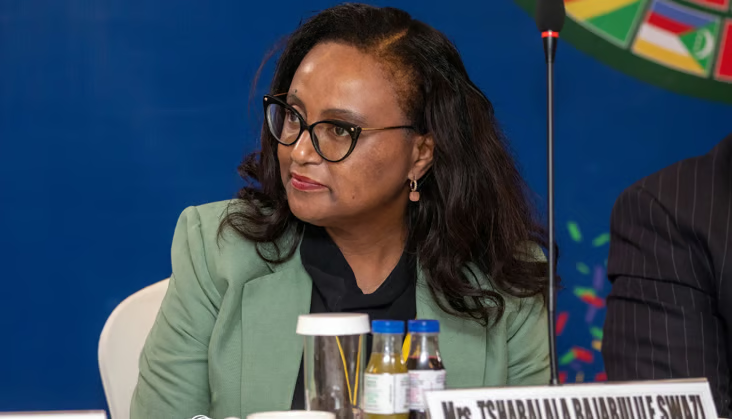
South Africa’s Bajabulile Swazi Tshabalala, the only female candidate, brings three decades of financial leadership to the table. Formerly the senior vice president of the AfDB, she aims to streamline the bank’s structure to boost delivery efficiency, particularly in large-scale infrastructure projects.
“The internal structure of the institution … doesn’t facilitate the right sort of sustained focus to be able to really deliver effectively on things like infrastructure,” she noted. “We really should consolidate that.”
Tshabalala believes infrastructure, if approached correctly, could unlock Africa’s full potential across minerals, trade, and finance. She advocates for creative financing models, drawing on the bank’s earlier work with hybrid capital instruments.
Amadou Hott – The Champion of Fiscal Independence
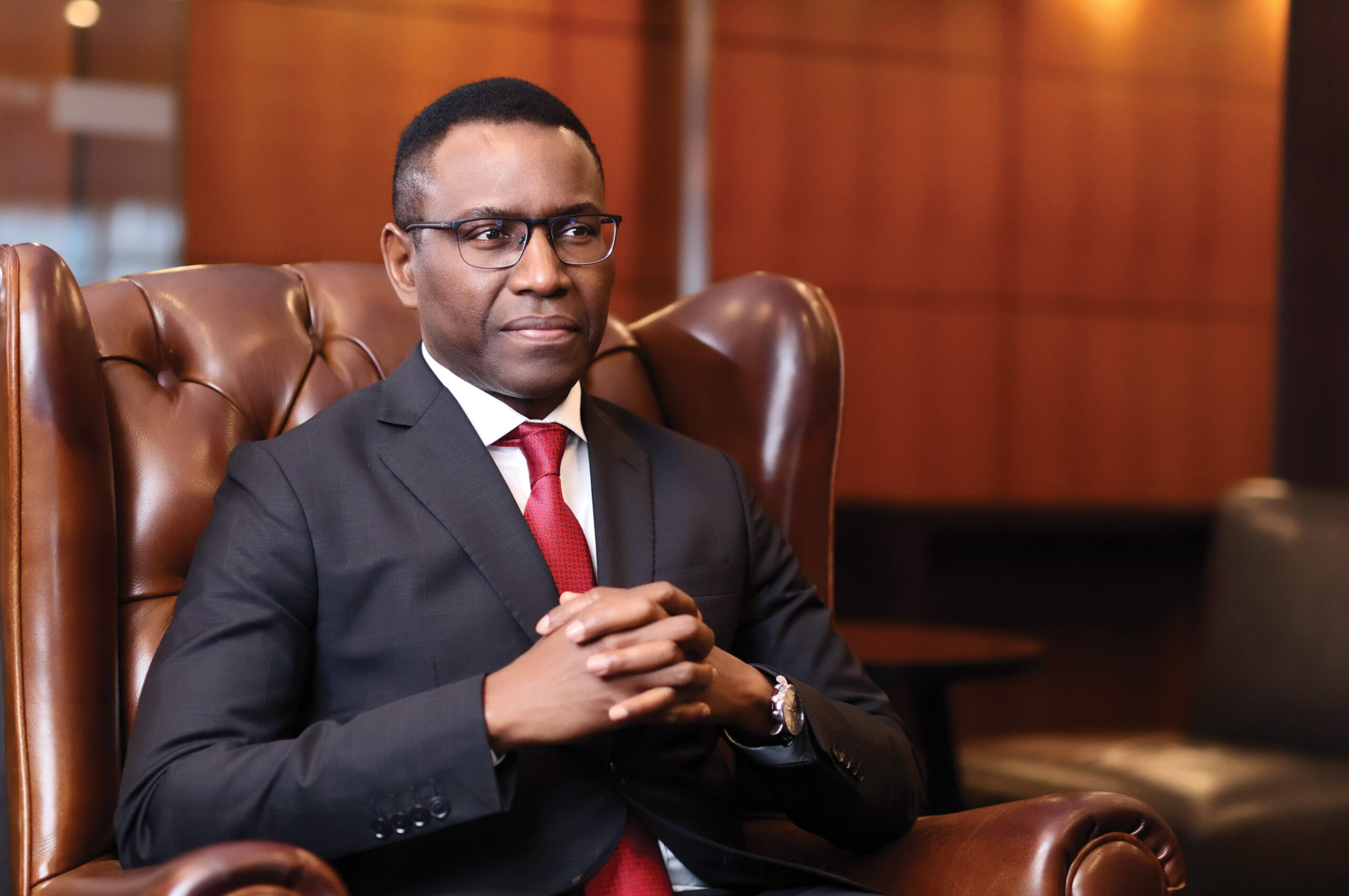
Senegal’s Amadou Hott, a seasoned banker and former economy minister, has worked across major financial hubs from Lagos to London. His vision for the AfDB centers on bolstering Africa’s internal financial systems to reduce dependence on external funding.
“Revenue mobilisation is number one,” he asserted.
Hott points out that Africa’s tax-to-GDP ratio stands at just 16%, less than half the OECD average. Increasing this, he argues, would improve creditworthiness, ease borrowing, and unlock domestic capital for essential infrastructure and energy projects.
“The money is out there,” he emphasized, highlighting the need for well-structured, risk-mitigated projects to attract private investment.
Samuel Munzele Maimbo – The Integration Strategist
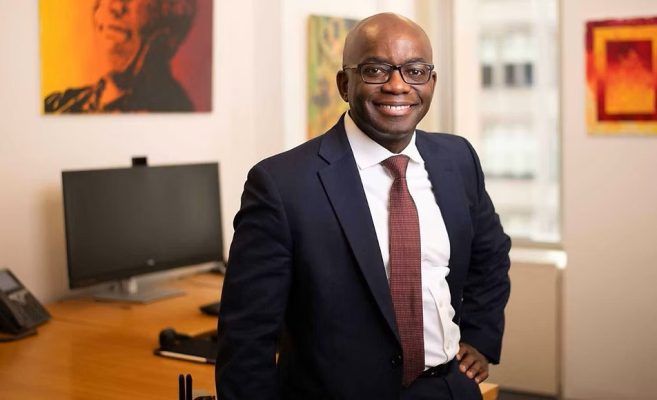
Zambian-born Samuel Munzele Maimbo, currently on leave from his position as a vice president at the World Bank, offers extensive development finance expertise. His campaign focuses on unifying Africa’s fragmented financial systems to accelerate intra-continental trade and self-financing.
“Now more than ever before, we’ve got to get trade working on the continent,” he urged. “If we’re only trading 15% of our products amongst each other, our products are either rotting or they’re being undervalued.”
Backed by both the Southern African Development Community (SADC) and the Common Market for Eastern and Southern Africa (COMESA), Maimbo wants to foster continent-wide cooperation on issues like debt management, infrastructure, and tax reforms.
Sidi Ould Tah – The Sovereignty Advocate
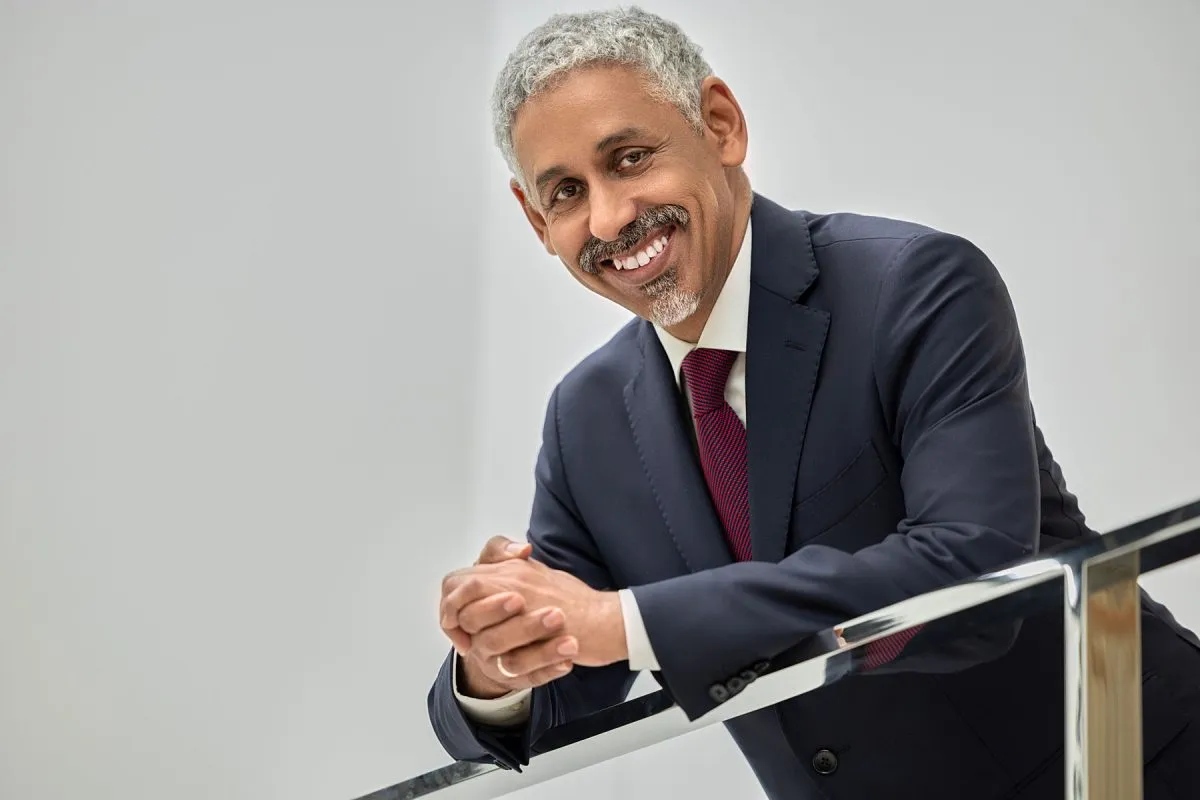
Mauritania’s Sidi Ould Tah, head of the Arab Bank for Economic Development in Africa for over a decade, brings a strong track record in regional development finance. He believes the AfDB must shed outdated limitations and drive Africa toward economic sovereignty.
“The AfDB must break free from legacy constraints and position itself as the driver of Africa’s economic sovereignty,” he said.
Tah’s platform is built on four pillars: expanding access to diverse capital sources, reforming financial systems, formalising the informal sector that employs over 80% of Africans, and building infrastructure resilient to climate change. He also argues that by leveraging strategic partnerships, each dollar raised by the AfDB could generate up to ten times its value in investments.
Abbas Mahamat Tolli – The Grassroots Economist
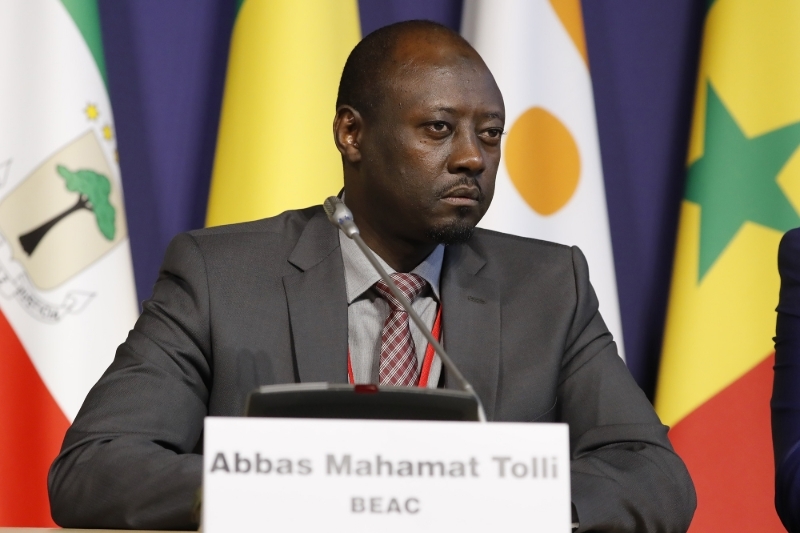
Hailing from Chad, Abbas Mahamat Tolli has overseen key financial institutions across Central Africa, including roles as finance minister, central bank governor, and president of the Development Bank of Central African States. His agenda centers on African self-sufficiency in food and finance, coupled with governance reform.
“We need to better manage,” he said, pointing to the fiscal drain caused by poor governance and tax evasion.
Tolli proposes a comprehensive transformation of the AfDB’s operations, involving risk-sharing mechanisms, enhanced public-private cooperation, and greater use of digital financing platforms. Drawing from personal hardship—he tended goats after fleeing civil conflict at age six—Tolli positions himself as someone who understands Africa’s struggles firsthand and is determined to elevate its people.
As the AfDB stands at the crossroads of change, the outcome of Thursday’s election will shape not just the future of the institution, but also the development trajectory of a continent that continues to grapple with enormous challenges—and opportunities.