Sweat, that ubiquitous yet often underappreciated bodily function, serves as a fascinating mechanism for regulating body temperature and maintaining physiological balance. Have you ever found yourself pondering the stark discrepancy in sweat production between yourself and those around you? From the basketball court to the gym, the disparity in perspiration levels can be striking, leaving some individuals drenched in sweat while others appear relatively unscathed by exertion, as captioned by entreprenuerng.com
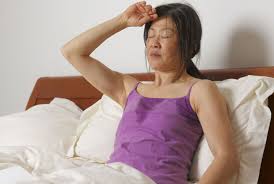
This is scientifically known as perspiration, emanates from millions of eccrine glands intricately embedded within our skin’s fabric. These diminutive yet powerful glands play a pivotal role in the body’s thermoregulatory system, secreting a colorless liquid that serves as nature’s coolant. Remarkably, the human body boasts up to four million glands, strategically distributed across various regions, albeit with a few notable exceptions such as the ears, lips, and nails. Notably, the feet emerge as a particularly prolific site, harboring an impressive 250,000 sweat glands per pair, capable of unleashing half a pint of liquid on a daily basis.
While this serves a vital purpose in cooling the body, its production can be influenced by an array of factors, both intrinsic and extrinsic. Consider, for instance, the enigmatic interplay between body size and it output. It stands to reason that individuals of larger stature, endowed with a greater mass to move and a larger surface area to cool, would necessitate a more robust sweating response to dissipate excess heat. Indeed, the correlation between body size and it production is evident, as those with a larger physique often find themselves perspiring more profusely during physical activity.

Furthermore, age emerges as a defining determinant of production, underscoring the nuanced evolution of our physiological functions over time. As we traverse the chronological spectrum, the efficiency of our eccrine glands gradually wanes, leading to a decline in sweat production with advancing age. Consequently, older individuals often exhibit a diminished capacity for perspiration, rendering them more susceptible to heat-related ailments such as heat stroke. This age-related diminishment in production underscores the intricate interplay between biological aging and thermoregulation, reminding us of the ever-evolving nature of our bodily functions.
Moreover, the composition of our body’s tissues, particularly the ratio of muscle mass to adipose tissue, exerts a profound influence on production. Notably, muscle tissue serves as a potent generator of heat during physical exertion, necessitating a commensurate increase in sweat production to facilitate cooling. Conversely, adipose tissue, characterized by its lower metabolic activity, generates less heat, thereby necessitating a comparatively modest in response. Consequently, individuals with a higher proportion of muscle mass relative to body fat may find themselves sweating more copiously than their counterparts with a greater adipose tissue content, highlighting the intricate relationship between it body composition.

Sweat
In conclusion, this water-like substance remains odorless until it mingles with the myriad bacteria residing on the skin’s surface, giving rise to the distinctive aroma that accompanies perspiration. This olfactory signature, akin to a fingerprint, lends each individual’s a unique and unmistakable identity, underscoring the personalized nature of this physiological process. Despite this in our daily lives, its production remains subject to considerable variability, shaped by a multitude of factors ranging from genetic predispositions to environmental influences.