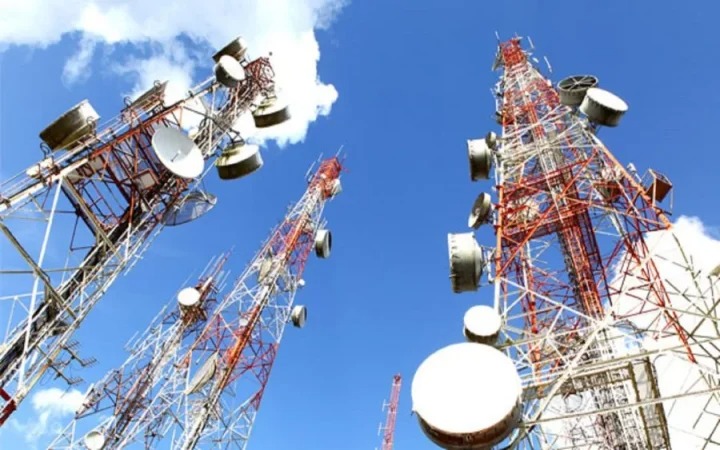
A recent report by market intelligence firm Mordor Intelligence paints an optimistic picture for the Nigerian telecom market, foreseeing a remarkable surge to $11.43 billion by 2029.
The forecast indicates a steady climb with a cumulative average growth rate (CAGR) of 4.70% anticipated between 2024 and 2029, surpassing the current market value of $9.09 billion.
Mordor Intelligence attributes this promising trajectory to the substantial transformations in Nigeria’s telecom sector. Government initiatives aimed at enhancing internet infrastructure, widespread broadband access, and noteworthy innovations by key market vendors are acknowledged as pivotal contributors to this upward trend.
Driving Forces Behind the Growth
The report underscores several factors propelling the telecom sector’s expansion, with increased smartphone adoption playing a pivotal role. Nigeria’s dynamic digital services sector is thriving, with millions embracing mobile apps, spanning social networking, e-commerce, and financial services. This surge in smartphone usage is anticipated to offer speed, convenience, and efficiency, encouraging more individuals to invest in these devices.
Furthermore, the report highlights the positive impact of Nigeria’s e-commerce and digital service platforms on the demand for reliable telecom services. As consumers increasingly turn to online platforms for various services, a robust telecom infrastructure becomes paramount, fueling the growth of telecom users.
National Digital Economy Policy and Strategy (NDEPS) Accelerating Growth
Mordor Intelligence points to the pivotal role played by the National Digital Economy Policy and Strategy (NDEPS 2020-2030) in driving the demand for mobile telecom services. This government initiative aims to provide low-cost telecom services, aligning with the growing need for connectivity.
The Nigerian Communication Commission’s objective to increase broadband subscriptions to 70% by 2025, as outlined in the NDEPS, further solidifies the commitment to digital advancement. The report notes that this strategic move, coupled with the surge in data and voice services demand, the rise in smartphone adoption, and vendors’ partnerships, is poised to elevate mobile services in Nigeria.
Key Insights
Recent data from the Nigerian Communications Commission (NCC) reveals an impressive 220.3 million active mobile subscriptions as of August 2023. Internet service subscriptions stood at 159 million during the same period, with 86.9 million classified as broadband subscriptions. The NCC reported a substantial $75.6 billion in investments in Nigeria’s telecom industry by the end of 2021, encompassing foreign direct investment (FDI) and local contributions.
The Nigerian telecom market’s upward trajectory appears promising but deeply intertwined with the nation’s digital evolution and strategic initiatives, positioning it as a key player in the global telecom landscape.