EFCC Chairman, the Department of State Service (DSS) has made headlines as they recently released Abdulrasheed Bawa, the former Chairman of the Economic and Financial Crimes Commission (EFCC). This development comes after Bawa spent a considerable 134 days in detention. His arrest occurred in mid-June, shortly following his suspension by President Bola Tinubu, marking the end of his tenure as the head of the EFCC.
At the outset, the DSS insisted that Bawa’s appearance at their office was an ‘invitation’ related to investigative activities pertaining to his period as EFCC chairman. However, this so-called invitation turned into a prolonged detention that spanned four months, raising questions and concerns about the motives behind his arrest and the circumstances surrounding his release.
Interestingly, the details and results of the investigation conducted by the DSS on Bawa have not been disclosed by either the Presidency or the DSS themselves at the time of this report. The lack of transparency regarding the findings of this investigation has sparked speculation and led to debates on the actual reasons for Bawa’s detention and its subsequent conclusion, EFCC Chairman.
This situation bears a resemblance to the removal of previous EFCC heads, including Ibrahim Magu, Ibrahim Lamorde, and Farida Waziri, who also faced changes in leadership during their tenures. The repeated pattern of leadership changes within the EFCC raises questions about the stability and independence of the institution responsible for tackling financial crimes and corruption in Nigeria, EFCC chairman.
In a recent development, President Tinubu appointed Ola Olukoyede as the new Chairman of the EFCC, a decision made just a week ago. The Nigerian Senate swiftly confirmed Olukoyede’s appointment, along with that of Muhammad Hammajoda as the Secretary of the anti-graft agency. These appointments come amid the backdrop of ongoing discussions and debates about the role of the EFCC in Nigeria’s fight against corruption and financial misconduct.
Conclusion : EFCC chairman
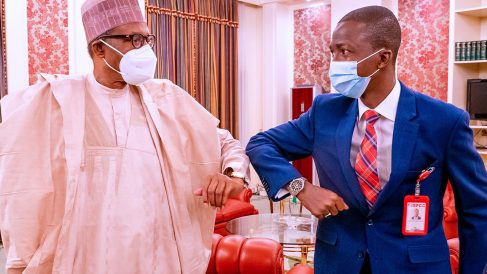
The release of Abdulrasheed Bawa, coupled with the recent leadership changes within the EFCC, underscores the complexities and challenges surrounding anti-corruption efforts in Nigeria. It also raises questions about the independence and effectiveness of institutions tasked with addressing these critical issues in the nation. As the story unfolds, many will be watching closely to see how the EFCC, under its new leadership, continues its mission to combat corruption in Nigeria, EFCC chairman.
Source: The guardian